
Industries
Animal Health
Car Wash
Data Centers & Mission-Critical Cooling
Food Safety & Sanitation
Irrigation
Hemp
Mining & Aggregates
Nutrient Delivery System
Water Treatment
Metal Processing
Printing
Products
D07
Hobby Cultivator
D128
D25
DM11 (Diaphragm)
D14
D6
D40
D20
D132
D400
Carts
Installation-Ready Systems
Venturi
Discontinued Products

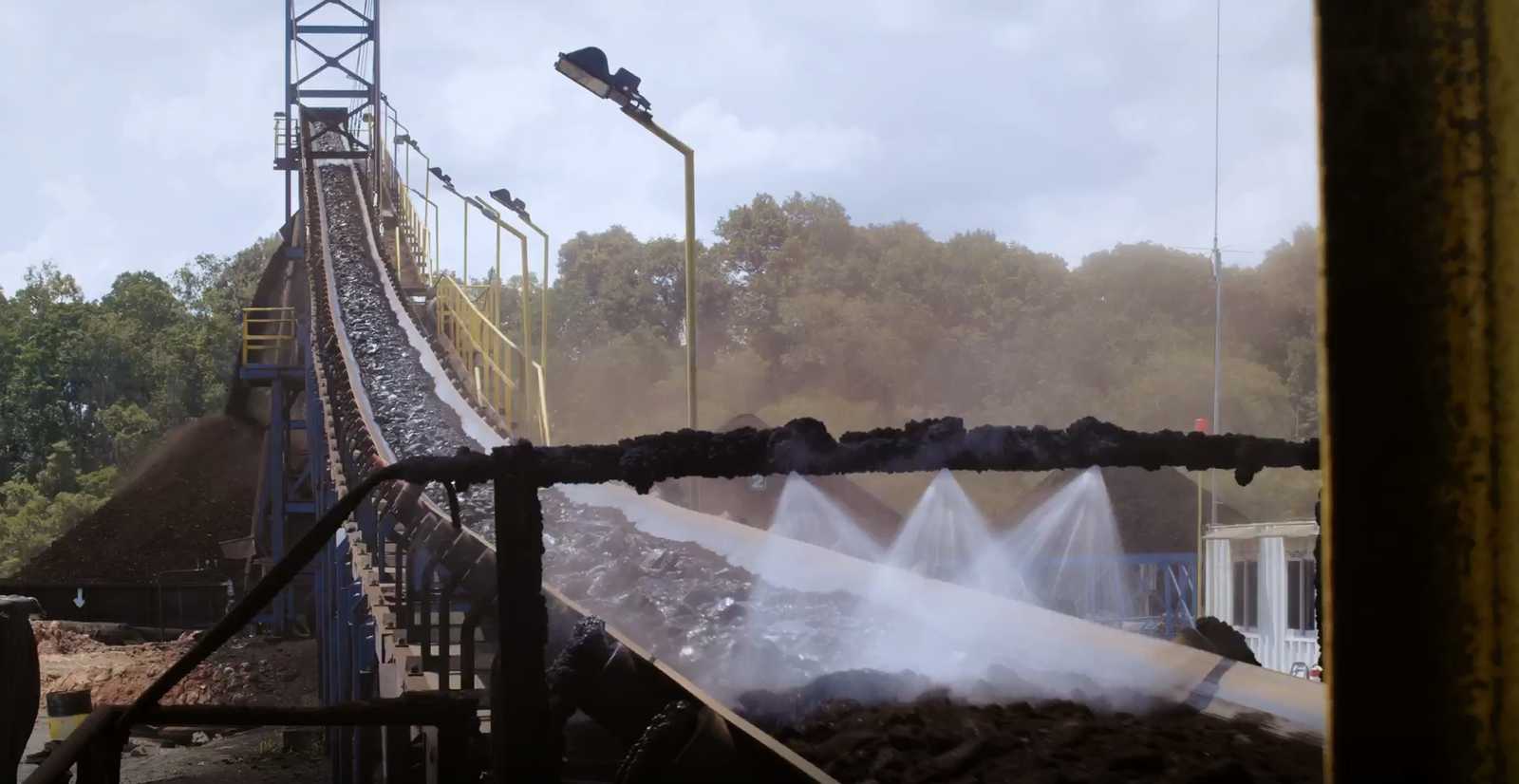
Crusher and conveyor transfer-point sprays capture more fine dust when a wetting agent is dosed into the spray water at the right dilution. A Dosatron D40MZ or D45RE injector on the manifold feed doses surfactant into every nozzle at once, in proportion to flow and without power. Too little surfactant behaves like plain water. Too much wastes chemical and can foam. 

Why do crusher and conveyor sprays underperform?

Crushers and transfer points create the finest, freshest dust on site. Breaking rock exposes new surfaces, and every drop between belts lifts fines into moving air. The sprays that control this dust run on the plant's rhythm: on when the belt runs, off when it stops. Most failures come from that start-stop pattern or from a spray asked to do the wrong job. 

How should surfactant strength be set?

Start from the supplier's recommended dilution. Then test with site water. Arnold and Reed describe the sink (Walker) test: a dust sample is placed on the liquid, and the time it takes to wet and settle is measured. Faster settling indicates better wetting. Use the result to set the injector dial, then confirm with dust sampling in the field. 
Where does the injector go?

Put the injector on the common feed upstream of the manifold, after the strainer and before the solenoid valves. When the sprays switch on with the belt, water flows and the injector doses. When the sprays stop, dosing stops. Dosing needs no interlock to the conveyor control system. 

Which Dosatron model fits a spray manifold?

Choose the seal set to suit the chemistry: Aflas for caustic, Viton for acidic, Kalrez for concentrated acids and strong oxidizers. Size to the flow with the fewest zones open and with all zones open. 

What site conditions affect crusher and conveyor spray dosing?

Spray manifolds sit in plant buildings, transfer towers and along open conveyors. Each location brings different water and climate conditions. The pillar page has the full site-conditions checklist; these points are specific to spray circuits. 

FAQ

It can. Ask the supplier to confirm compatibility with belting and with downstream processing before a trial. 

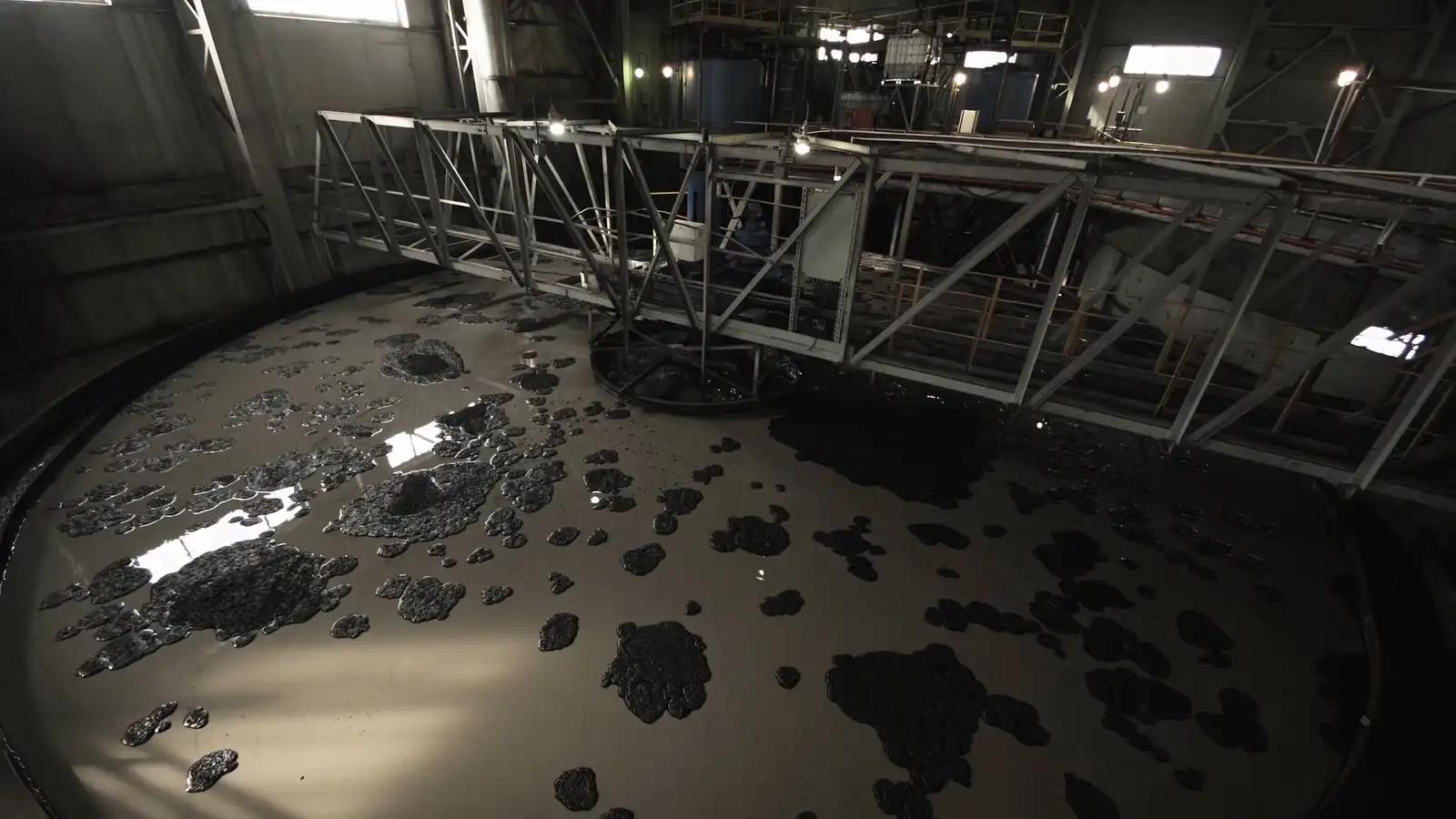
Upstream of the spray water: thickener overflow

Crusher and conveyor sprays often run on process water or thickener overflow. The fewer fines that overflow carries, the less load reaches the injector filter and the spray nozzles. Overflow clarity depends on stable flocculant dosing at the thickener. SEEPEX covers that step with low-shear progressive cavity pumps that protect polymer integrity from preparation to injection.