Actual chlorine concentrations vary depending on source water quality, distribution network length, climate, and local regulations.
New York
New York City's water — sourced from protected upstate reservoirs up to 125 miles away — is among the highest quality in the country. The city reports a chlorine residual of approximately 0.8 mg/L, benefiting from naturally soft, low-turbidity source water that requires minimal treatment.
Florida
Florida's warm climate accelerates microbial growth and chlorine decay, which means utilities often need to dose higher. Tampa Bay water, for example, typically contains 1 to 4 mg/L of chlorine or chloramine. The state's heavy reliance on groundwater (92% of the supply) and challenges like agricultural runoff and saltwater intrusion add to the complexity of disinfection.
California — A State of Contrasts
California's vast and diverse water system means chlorine practices vary significantly from north to south:
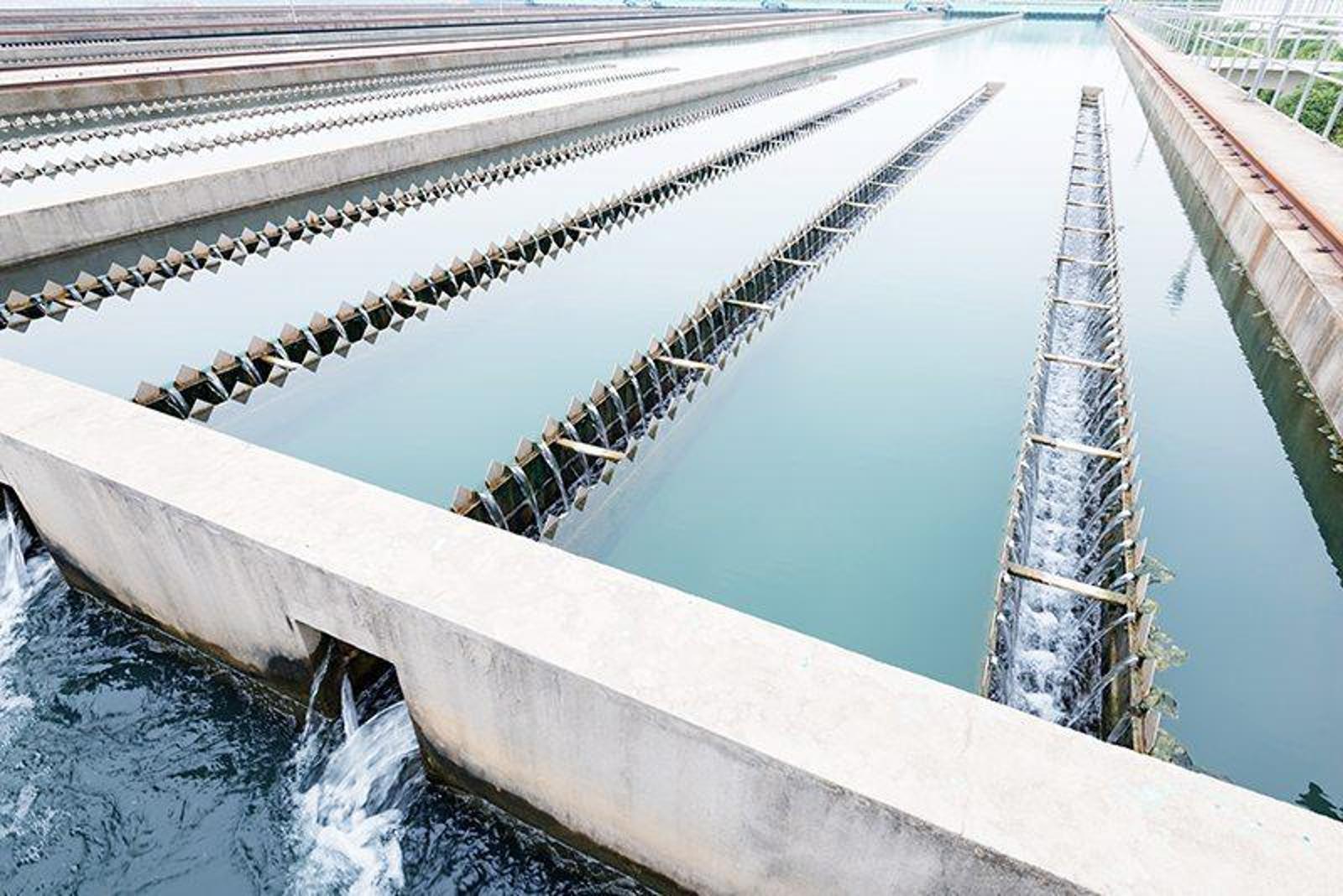
- Southern California relies heavily on imported water from the Colorado River and the State Water Project, which must travel hundreds of miles through aqueducts and pipelines. The Metropolitan Water District of Southern California treats this water at large plants like the Robert A. Skinner Filtration Plant and uses chloramine for final disinfection to maintain residual protection over long distances.
- Northern California, with access to closer, higher-quality surface water sources, may require lower initial doses — though treatment still follows the same strict state and federal standards.
Water quality in California is regulated by the California State Water Resources Control Board and nine Regional Water Quality Control Boards, ensuring consistent monitoring and compliance statewide