Metalworking fluid — soluble-oil emulsion, semi-synthetic, or fully synthetic — has to cool the tool and workpiece, lubricate the cutting or forming action, flush away chips, and protect machined surfaces from corrosion, all at once. Every one of those functions depends on the fluid being mixed to the concentration its manufacturer specified.
Where manual mixing breaks down
- Measurement error — concentrate is poured by eye under production pressure, and the ratio drifts between operators, shifts and fillings.
- Mixing order — emulsions must be prepared by adding concentrate to water, not water to concentrate, to form a stable oil-in-water emulsion. Reversing the order is a common, hard-to-spot error that changes the emulsion's stability and appearance.
- Top-up practice — evaporation concentrates the fluid remaining in a sump over time; topping up with plain water dilutes it back down, while topping up with fluid mixed at nominal concentration keeps it stable. In practice, top-up concentration is rarely controlled without an automated doser.
How a proportional injector removes the variability
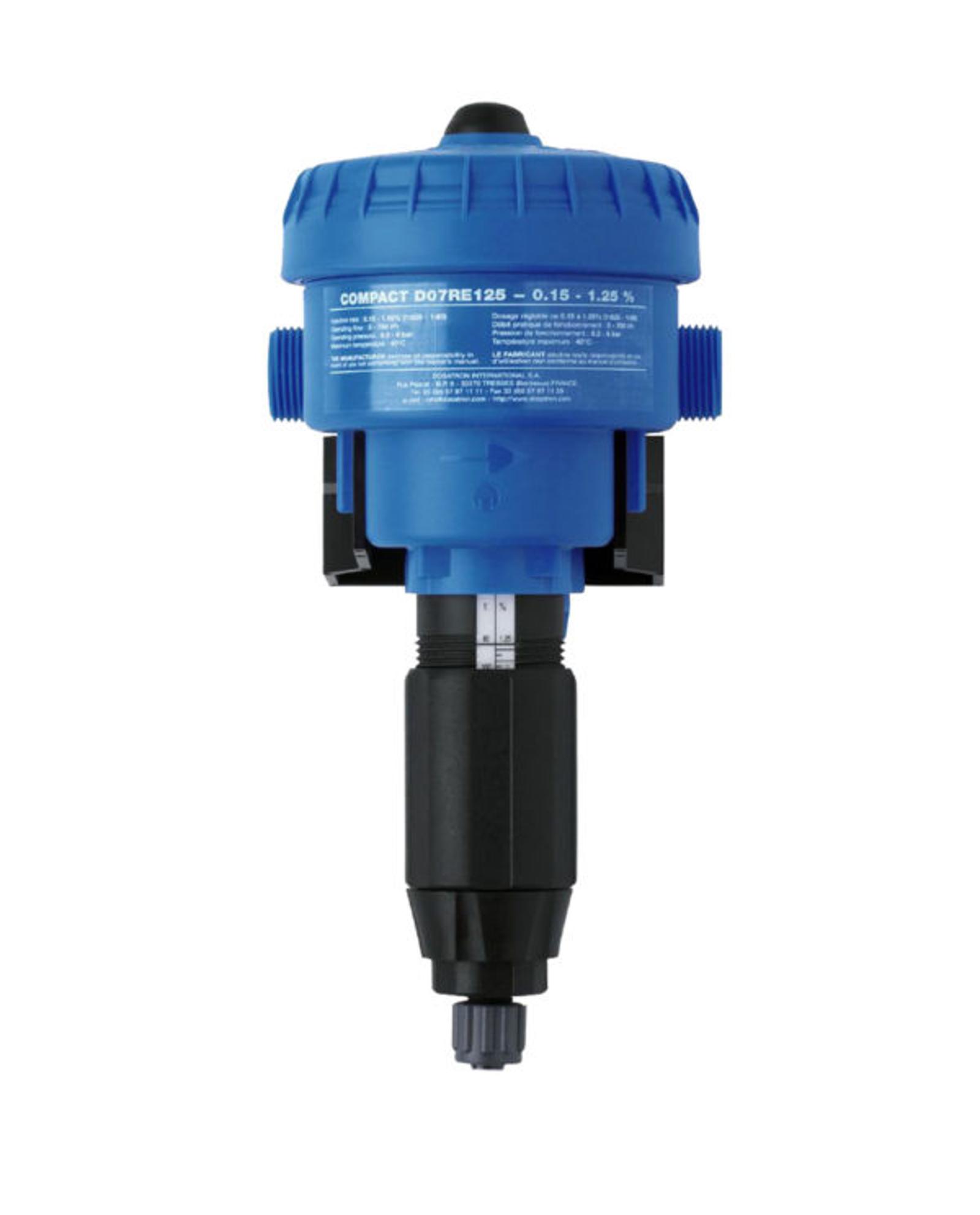
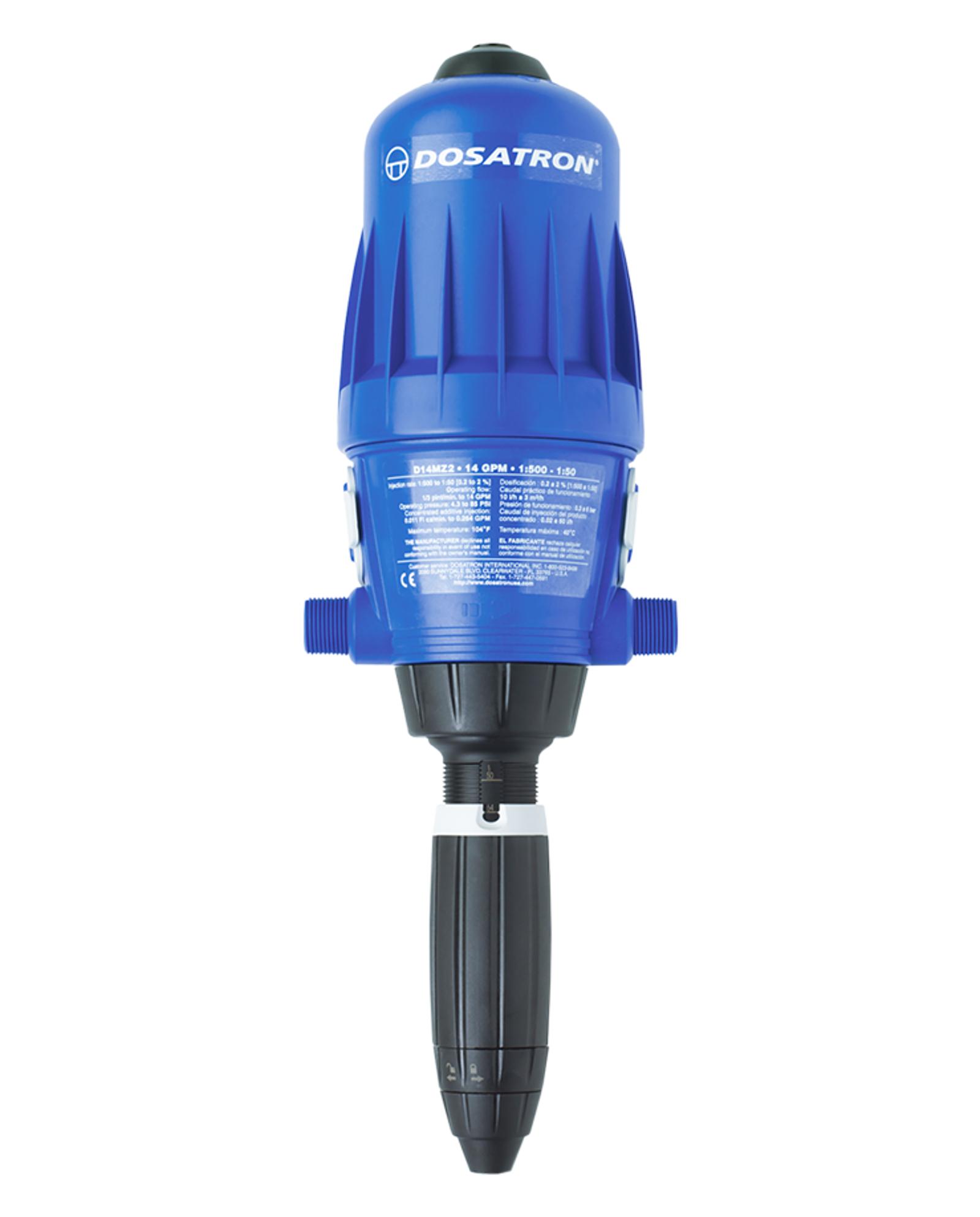
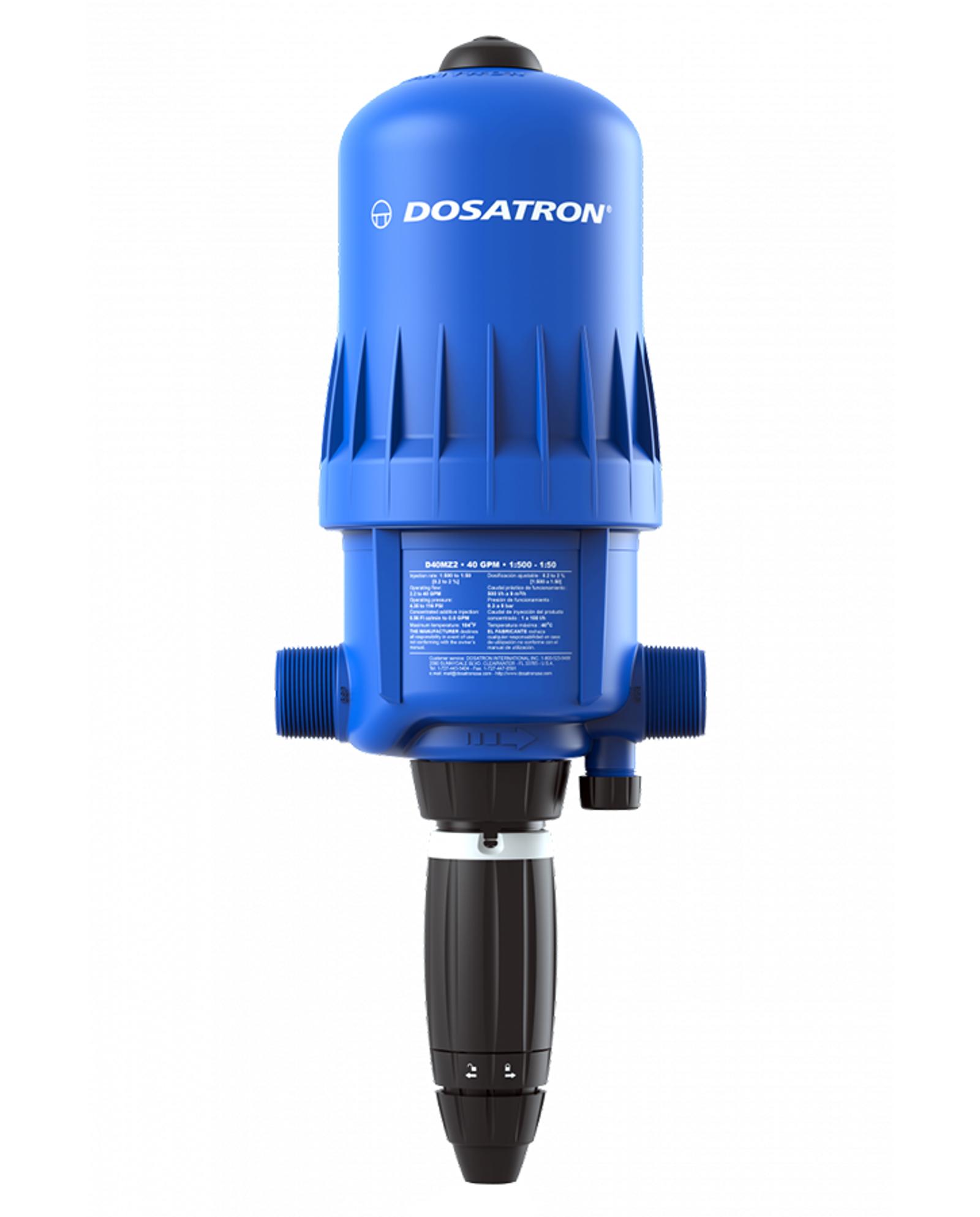
A Dosatron installed on the water supply line feeding the sump or a central mixing station draws a fixed proportion of concentrate and injects it directly into the water flow as it fills — automatically, without an operator measuring anything or a separate concentrate-addition step. Because the ratio is set by the pump's stroke volume rather than by pressure or flow rate, the same setting delivers the same concentration whether the sump fills quickly or slowly.
Checking the ratio in practice: refractometer readings are not volumetric percentages
Dosatron's own metal-processing application guidance flags a detail that is easy to miss on the shop floor: the initial %Brix reading from a refractometer is not the same as the volumetric percentage set on the pump. To confirm actual concentration, either calibrate the refractometer to the specific fluid or apply the equivalence curve published in the concentrate manufacturer's technical data sheet — most suppliers publish this curve at a reference temperature (commonly 20°C).