
Industries
Hemp
Nutrient Delivery System
Water Treatment
Products
logo.png

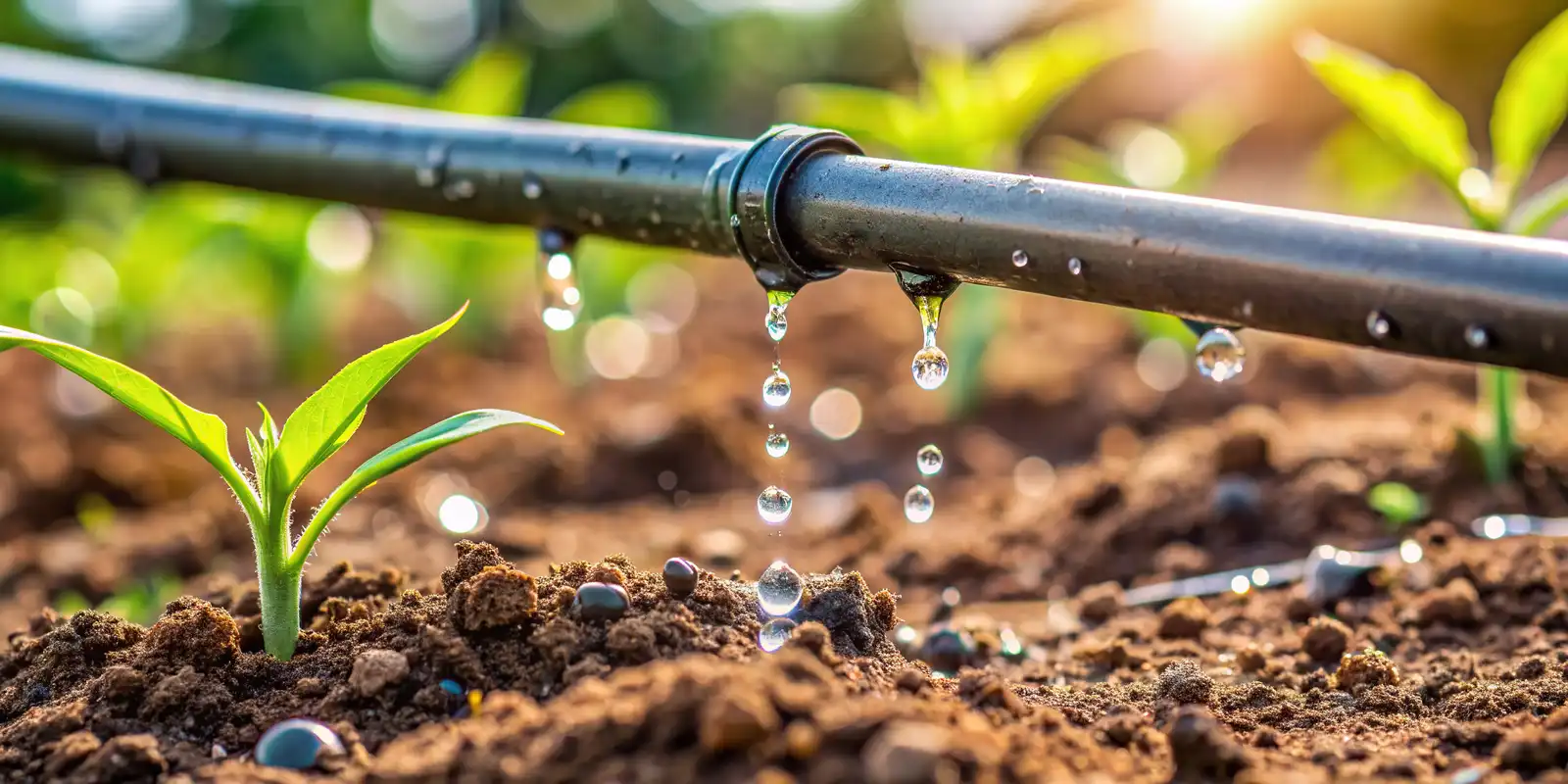
Drip irrigation is an efficient way to water plants. It delivers water, fertilizer, and treatments directly to the root zone. This reduces waste and supports healthy plant growth.

Good results depend on good planning. Flow rate, emitter count, run time, and pressure must work together.

A drip irrigation calculator helps plan these details. It shows how much water is applied and how long the system should run. When used with Dosatron water‑powered dosing pumps, these plans are easier to apply in real irrigation systems.

This page explains what a drip irrigation calculator is, how it works, and why accurate calculations matter.

What Is a Drip Irrigation Calculator?

A drip irrigation calculator is a planning tool. It helps estimate how much water flows through a drip system during irrigation.

The calculator turns system details into clear numbers that can be used in the field.

Most drip irrigation calculators help answer questions such as:

  • How much water does the system use?

  • How many emitters can run at one time?

  • How long should each zone run?

  • How much fertilizer is applied through irrigation?

These calculations help improve system design and daily operation.
Why Accurate Drip Irrigation Calculations Matter

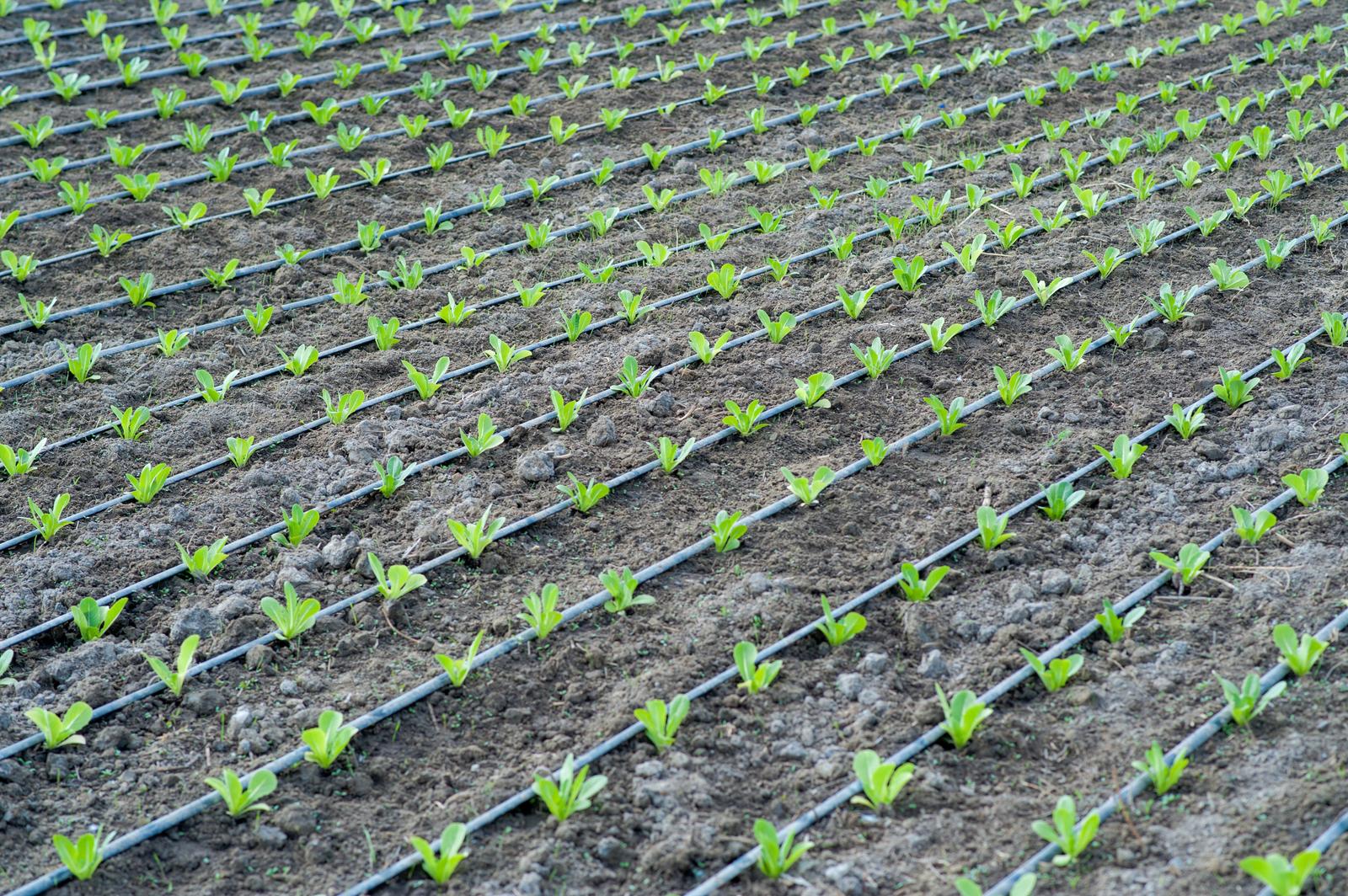
Drip irrigation is designed for accuracy. Small errors can cause problems.

Incorrect calculations can lead to uneven watering, stressed plants, or wasted water and fertilizer.

Accurate calculations help:

  • Prevent under‑watering and over‑watering

  • Keep plant growth even

  • Reduce water and fertilizer waste

  • Protect system components from pressure issues

Because drip systems deliver water directly to plants, precision is important for both plant health and system life.

AdobeStock_292691880.jpeg

Key Inputs Used in a Drip Irrigation Calculator


Number of Emitters and Emitter Flow Rate

Each emitter releases a set amount of water. This is usually listed in gallons per hour (GPH).

The calculator adds the flow from all emitters in a zone to find total system flow. This helps confirm that pumps, filters, and injectors can handle the demand.

Irrigation Run Time

Run time is how long water flows during each irrigation cycle.

A calculator helps match run time to plant needs, soil type, and climate. Proper run time helps plants receive enough water without runoff or waste.

Pressure and Line Length

Pressure affects how evenly water reaches each emitter.

Long drip lines, elevation changes, and friction loss can reduce pressure. A drip irrigation calculator helps estimate pressure needs so water is delivered evenly across the system.


Drip Irrigation Water Flow Formula

Drip irrigation water use is calculated using a simple flow formula.

Total Flow Formula:

Total Flow Rate (GPH) = Number of Emitters × Emitter Flow Rate

This formula shows how much water flows through a zone each hour.

Drip Irrigation Water Volume Formula

To calculate how much water is applied during an irrigation cycle, run time is added to the calculation.

Water Applied Formula:

Total Water Applied (gallons) = Total Flow Rate (GPH) × Run Time (hours)

This formula shows the total amount of water delivered to plants.

How a Drip Irrigation Calculator Works (Step‑by‑Step Example)

The example below shows how a drip irrigation calculator applies these formulas.

Step 1: Count emitters and flow rate

A system uses 40 emitters, each rated at 1 gallon per hour.

Total Flow Rate = 40 emitters × 1 GPH = 40 GPH

Step 2: Set irrigation run time

The system runs for 2 hours.

Step 3: Calculate total water applied

Total Water Applied = 40 GPH × 2 hours = 80 gallons

This means the system applies 80 gallons of water during one irrigation cycle.

A drip irrigation calculator performs these steps automatically. It helps adjust run time or emitter count to match plant needs.

When fertilizer or treatments are added, a system like Dosatron keeps dosing steady as water flows.

How Drip Irrigation Calculators Support Fertigation

Many drip systems also apply fertilizer through irrigation. This process is called fertigation.

A drip irrigation calculator helps estimate:

  • Fertilizer applied per irrigation cycle

  • Fertilizer amount per plant or zone

  • Even nutrient delivery across all emitters

Accurate calculations help ensure every plant receives the same amount of nutrients.

Best Practices for Using Drip Irrigation Systems

A drip irrigation calculator helps plan water use, but good results also depend on system management.

Check emitters on a regular schedule. Clogged or damaged emitters can change flow rates and affect water delivery. Even one blocked emitter can impact plant health.

Use proper filtration before water enters drip lines. Filters protect emitters, injectors, and valves from debris. Clean filters often to keep water flowing evenly.

Group plants with similar water needs in the same zone. This makes it easier to set run times that match plant demand.

Test the system under normal conditions. Run irrigation cycles and observe pressure and flow. Small adjustments early can prevent larger problems later.

Adjust irrigation schedules as seasons change. Plants often need less water in cool weather and more in warm conditions.

When accurate calculations are combined with good system care, drip irrigation becomes easier to manage and more reliable.

Common Uses for Drip Irrigation Calculators

Agriculture

Used for row crops, orchards, and vineyards to support even watering.

Greenhouses and Nurseries

Helps control run times and nutrient delivery.

Landscape and Commercial Systems

Supports efficient water use with minimal waste.

Key Takeaways for Drip Irrigation Planning

A drip irrigation calculator helps plan water use and run time. Good results depend on steady delivery.

By pairing clear formulas and step‑by‑step calculations with Dosatron water‑powered dosing, irrigation professionals can improve system efficiency, keep water and nutrients even, and reduce waste and risk.

This supports reliable performance across many drip irrigation systems.