
Industries
Animal Health
Car Wash
Data Centers & Mission-Critical Cooling
Food Safety & Sanitation
Irrigation
Hemp
Mining & Aggregates
Nutrient Delivery System
Water Treatment
Metal Processing
Printing
Products
D07
Hobby Cultivator
D128
D25
DM11 (Diaphragm)
D14
D6
D40
D20
D132
D400
Carts
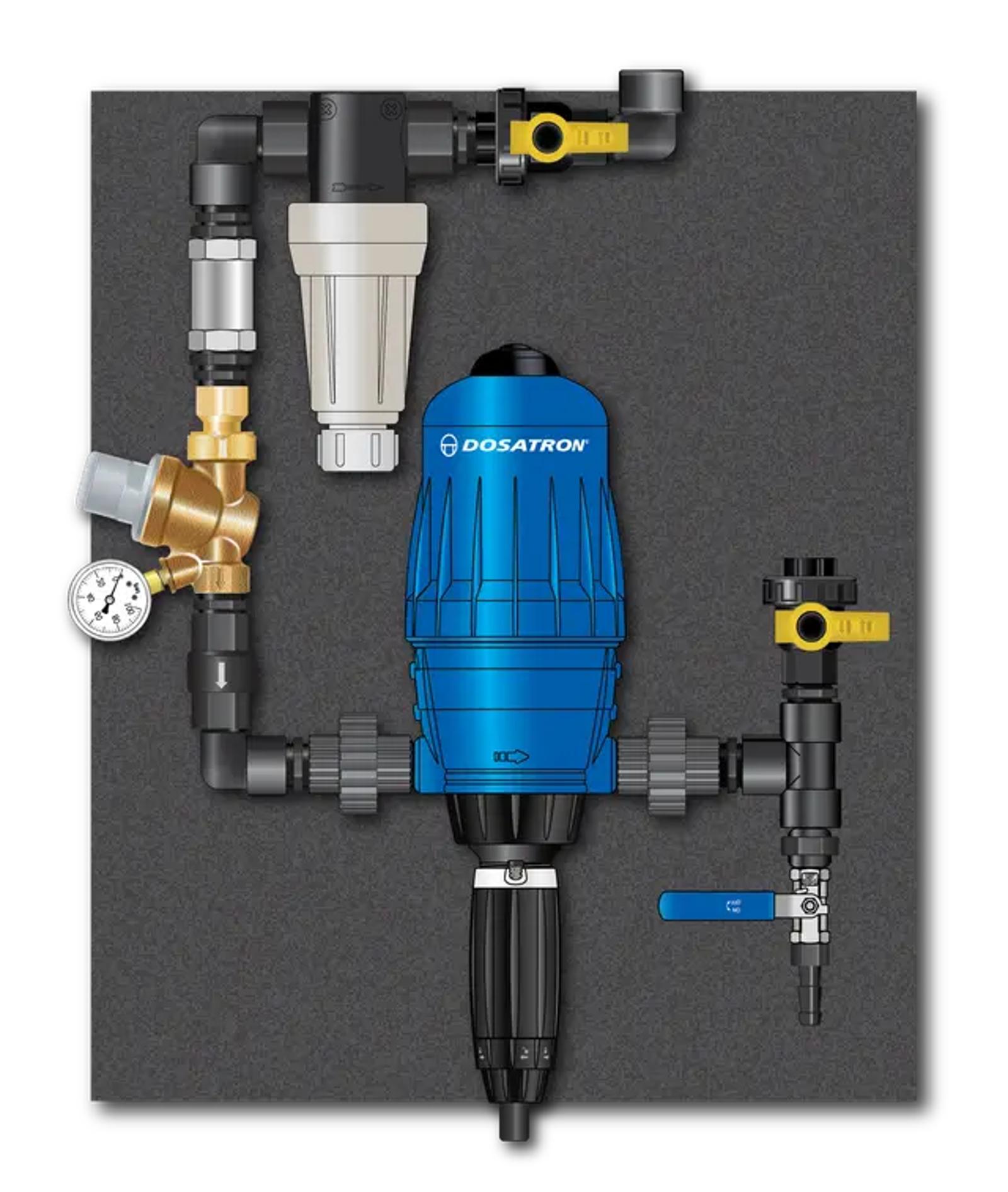
Installation-Ready Systems
Venturi
Discontinued Products

When a food processor specifies an installation-ready Dosatron system, the deliverable is not a pump bolted to a panel. The deliverable is a validated, reproducible dilution control point that can be specified across multiple facilities, audited against SSOPs, and retired only when the production line is.

Why Engineers Specify Pre-Built Panels Over Field-Built Systems

Field-built dosing stations carry hidden risk that does not show up in the capex line:

  • Component selection varies between facilities
  • Pressure regulation and backflow prevention are inconsistent
  • Valve and filter specifications drift between installations
  • No documented installation procedure to audit against
  • Retrofit and root-cause investigation are difficult
  • Panels rarely come back together correctly after maintenance

Pre-engineered installation-ready systems address each of these by delivering a standardized, factory-assembled, fully specified dilution control point ready to tie into water supply and chemical feed. That standardization matters directly under FSMA preventive controls, which require documented sanitation procedures with monitoring, corrective actions, and verification records that can be reproduced and audited.
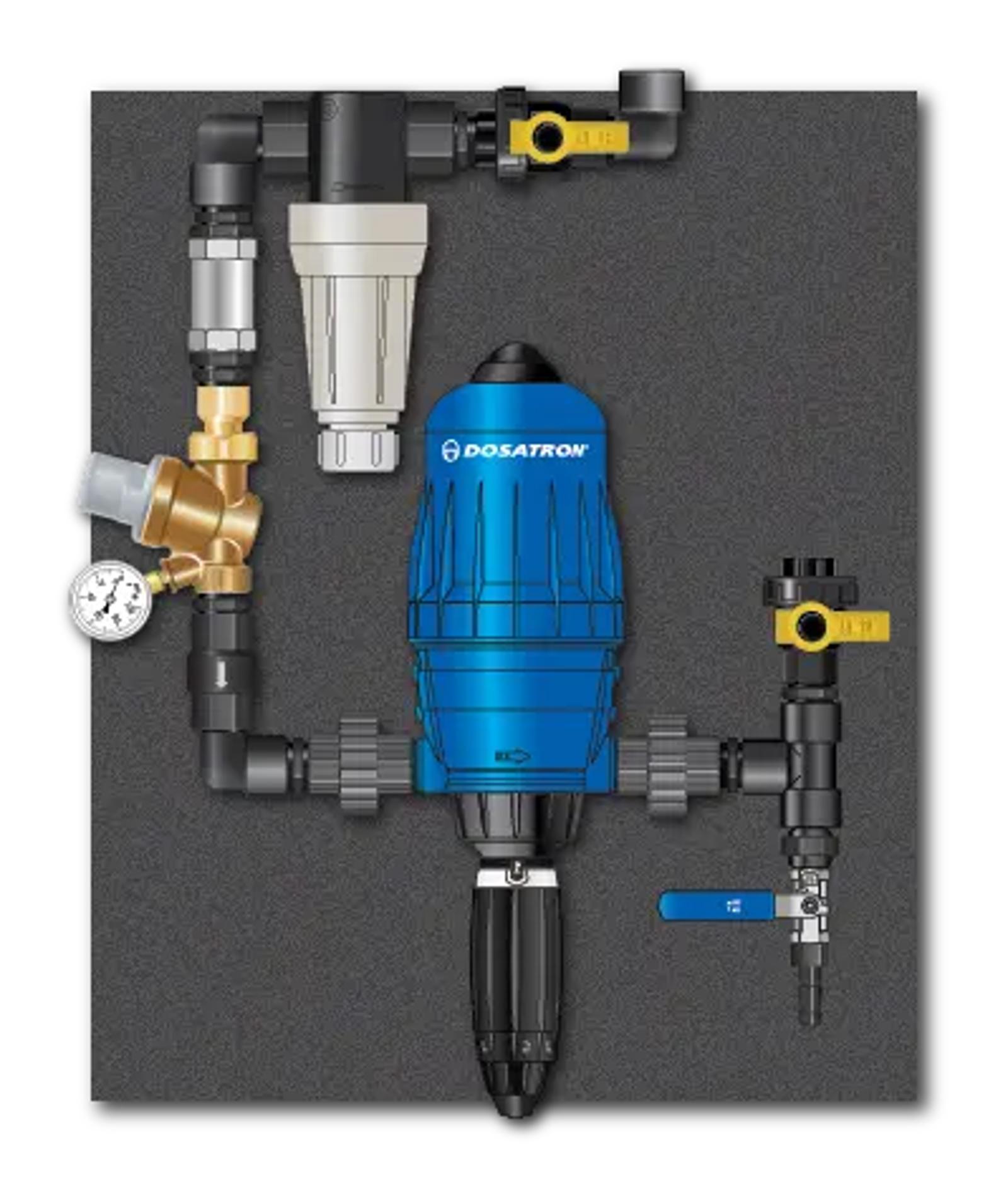
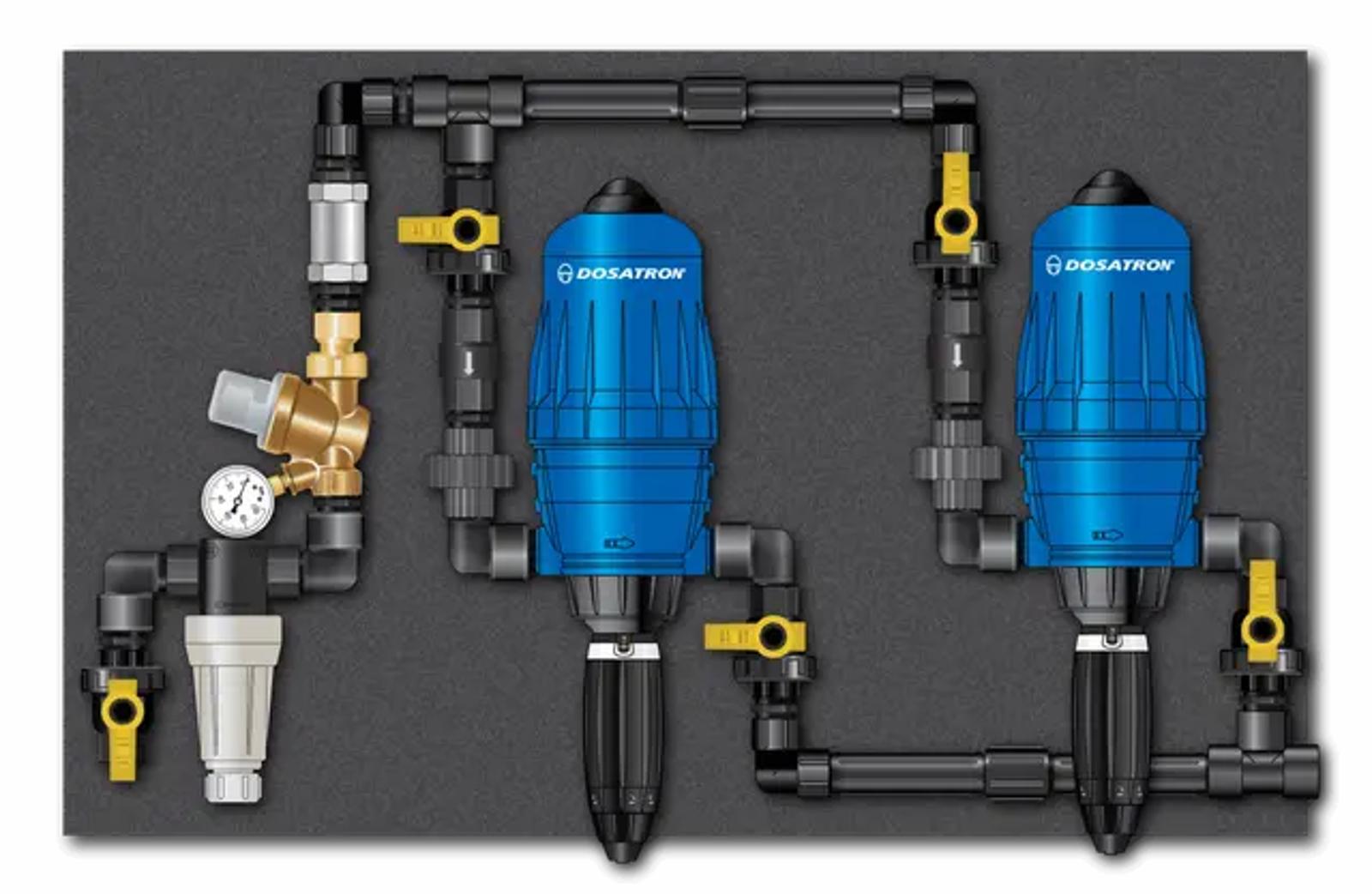
The Three Installation-Ready Systems for Food Safety

Where These Systems Belong in the Plant

Each installation point is governed by what is being diluted and where it is consumed. The standard architectures are:

  • Centralized sanitation chemical room — panels feeding multiple wand, foam, and CIP stations through ringed distribution
  • Production floor wall-mount — panel at the use point for direct injection into the wand, foamer, or wash header
  • CIP skid integration — panel upstream of the recirculation tank for caustic, acid, or sanitizer make-up
  • Produce wash treatment room — PAA or hypochlorite injection into flume and spray bar feed, with downstream ORP and pH monitoring
  • High-care / RTE zone entry — hand sanitizer, boot wash, and equipment sanitizer panels feeding hygiene control points required under 21 CFR 117 Subpart B and 9 CFR 430

Why Manual Mixing Is the Wrong Choice for Modern Sanitation

Manual sanitizer mixing has been documented as a contributing factor in inconsistent concentration at point of use, operator chemical exposure events, lost batches due to sub-spec sanitizer, failed third-party audits, and EMP positives traced to under-strength quat or PAA. FDA Food Code 4-501.114 requires that the sanitizer meet concentration, temperature, pH, and contact time requirements for every sanitation event. A manual mix makes that proof difficult to reproduce shift after shift. A proportional injection skid makes the same proof routine.

This is the part of the sanitation program where engineering quietly replaces hope. The skid does the same thing every cycle. The records reflect what the skid did. The audit finds what the records say.

Specify the Right System for Your Sanitation Program

Whether the priority is standardizing sanitation across multiple facilities, eliminating a chronic EMP variable, or building a new RTE line that cannot tolerate sanitizer downtime, a Dosatron application engineer can map sanitation chemistries, flow demand, redundancy requirements, and SSOP architecture to the right pre-engineered system.