
Industries
Animal Health
Car Wash
Data Centers & Mission-Critical Cooling
Food Safety & Sanitation
Irrigation
Hemp
Mining & Aggregates
Nutrient Delivery System
Water Treatment
Metal Processing
Printing
Products
D07
Hobby Cultivator
D128
D25
DM11 (Diaphragm)
D14
D6
D40
D20
D132
D400
Carts
Installation-Ready Systems
Venturi
Discontinued Products

Knowing how to measure surface tension is important in many industrial systems. It helps engineers control how liquids spread, mix, and interact with surfaces.

Surface tension affects key processes like cleaning, coating, and chemical mixing. If it changes, results can become inconsistent. That is why reliable measurement is important.

This guide explains the main measurement methods, what affects surface tension, and how to keep results stable in real applications.
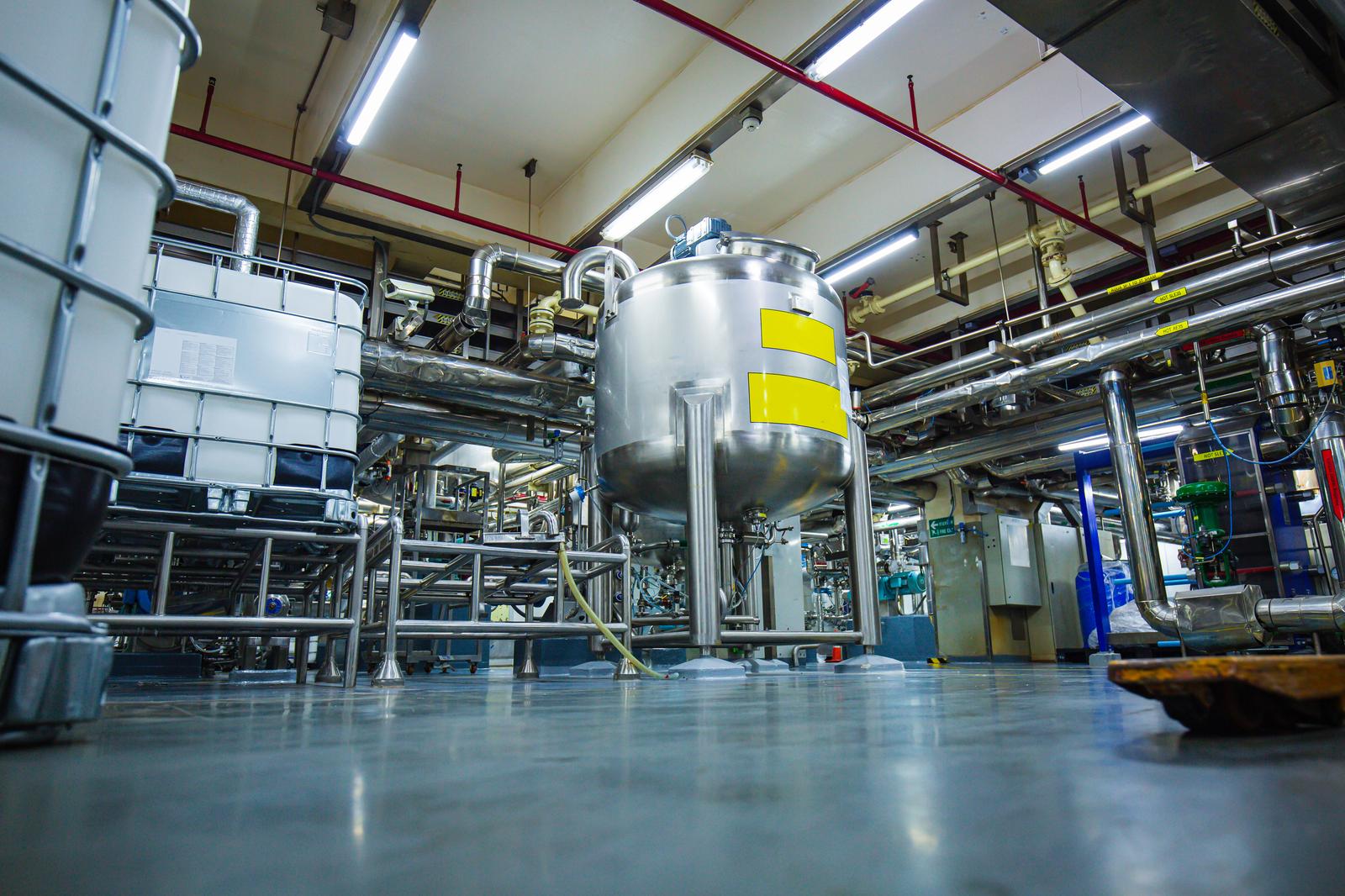
AdobeStock_530357421.jpeg

What Is Surface Tension?

Surface tension is the force at the surface of a liquid. It forms because molecules at the surface are pulled inward.

Inside the liquid, molecules are pulled in all directions. At the surface, they are not. This creates a force that behaves like a stretched film.

In simple terms, surface tension controls how a liquid holds its shape, spreads, or forms droplets.

Why Surface Tension Measurement Matters

Surface tension helps determine how liquids behave in real processes. It affects how fluids wet surfaces, coat materials, or mix with other liquids.

If surface tension is too high, liquids tend to bead up. If it is too low, they may spread too quickly or unevenly.

In industrial systems, even small changes can lead to poor results. Measuring surface tension helps keep processes consistent and predictable.

Common Methods to Measure Surface Tension

Several methods are used to measure surface tension. Each method looks at how a liquid responds to force, pressure, or shape changes.

Some methods are better for steady conditions. Others are designed for fast-changing systems.

Choosing the right method depends on the application and the level of detail needed.

Du Noüy Ring Method

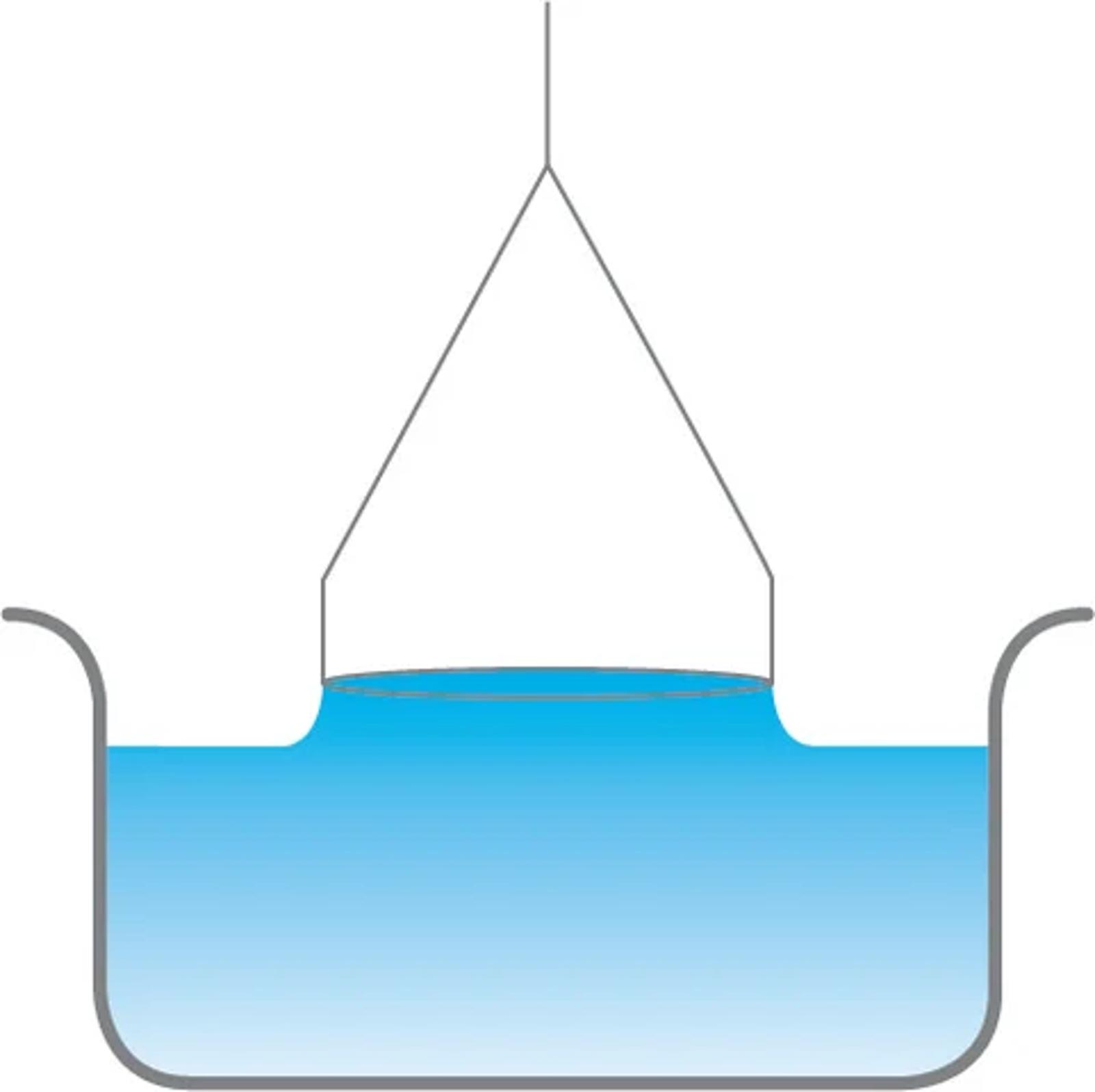
The Du Noüy ring method measures the force needed to pull a ring through the liquid surface.

A thin metal ring is placed on the liquid. It is then lifted slowly. As the ring moves upward, a liquid film forms and stretches.

The maximum force required to detach the ring is used to calculate surface tension.

This method is widely used, but it requires correction factors for best accuracy.

Du Noüy Ring Method

Wilhelmy Plate Method

The Wilhelmy plate method measures the force acting on a plate placed in the liquid.

A thin plate is partially dipped into the liquid. The liquid pulls on the plate, and this force is measured directly.

Because the plate stays still, the measurement is stable and easy to repeat.

This method works well for continuous testing and quality control.

Bubble Pressure Method

The bubble pressure method is used for dynamic surface tension. It is useful when surface conditions change quickly.

In this method, an air bubble is formed by pushing air through a small tube into the liquid.

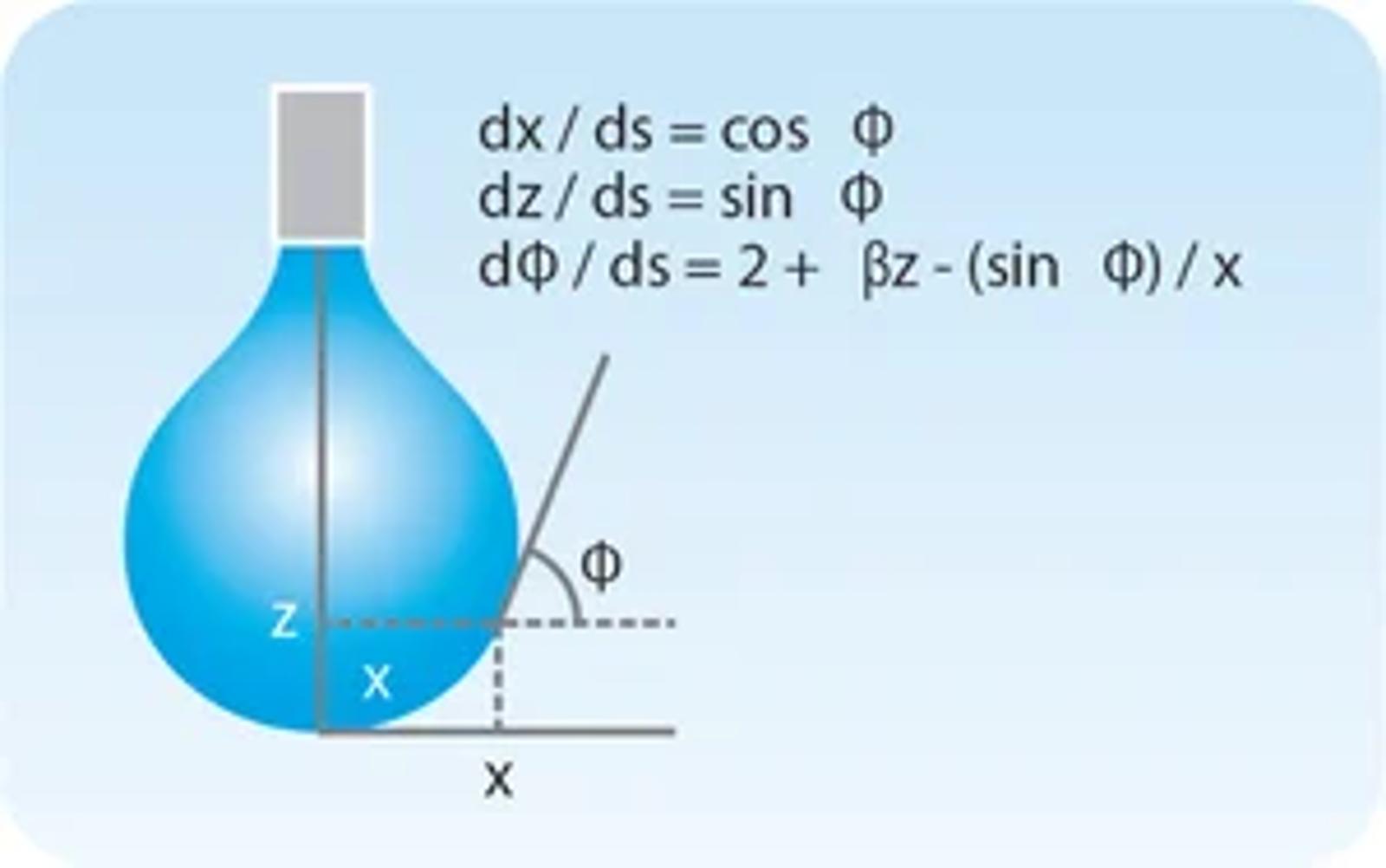
As each bubble forms, the pressure increases to a peak. That peak pressure relates to the surface tension and can be explained using the Young–Laplace equation, which links pressure and curvature.

This method shows how surface tension changes over time. It is useful in spraying, coating, and fast processes.

Bubble Pressure Method

Interfacial Tension Measurement

Interfacial tension measures the force between two liquids, such as oil and water.

Unlike surface tension, which involves air and liquid, this focuses on liquid-to-liquid interaction.

It plays an important role in mixing, emulsions, and separation processes.

If interfacial tension is high, liquids stay separate. If it is low, they mix more easily.

Interfacial Tension Measurement
Choosing the Right Measurement Method

The best method depends on the system being tested.

Some methods measure steady conditions. Others capture fast changes.

Key factors include:

  • Type of liquid

  • Speed of the process

  • Required accuracy

  • Presence of surfactants

Using the same method consistently is also important to compare results over time.

Factors That Affect Surface Tension

Surface tension changes based on several conditions.

Temperature is one of the largest factors. Higher temperatures reduce surface tension.

Chemicals also affect it. Surfactants lower surface tension by weakening molecular forces.

The type of liquid matters as well. Strong molecular bonds lead to higher surface tension.

Because of these variables, stable conditions are important for accurate measurement.

The Role of Chemical Dosing

In many systems, chemicals are added to control surface tension.

These chemicals change how molecules interact at the surface.

However, the effect depends on concentration. Too much or too little can cause variation.

Precise dosing helps maintain stable surface conditions and consistent results.

How Dosatron Supports Surface Tension Control

Proportional dosing systems help keep chemical levels stable.

They adjust the amount of chemical based on water flow. This maintains a consistent mix.

Stable dosing helps reduce variation in surface tension measurements.

This leads to more reliable process control.

Works in Many Applications

Surface tension control is used in many industries.

It improves performance in cleaning systems by helping liquids spread.

In coatings, it supports even coverage and adhesion.

In chemical processes, it helps control mixing and separation.

In water treatment, it improves how chemicals interact with contaminants.

Easy to Use and Install

Modern dosing systems are designed for simple integration.

They often work without electricity and adjust automatically with flow.

Installation is fast, and maintenance needs are low.

This makes them easy to use in existing systems.

Practical Uses of Surface Tension Measurement

Surface tension measurement is used for testing and quality control.

It helps confirm that a liquid behaves as expected.

It can also detect contamination or process changes early.

In many cases, it provides a simple way to monitor system performance.

Improving Results with Accurate Measurement

Accurate measurement helps engineers make better decisions.

It allows systems to be adjusted quickly when conditions change.

When measurement and dosing work together, results become more stable.

This reduces waste, improves efficiency, and supports consistent quality.

Final Thoughts

Surface tension is a key factor in how liquids behave.

Methods such as the Du Noüy ring, Wilhelmy plate, and bubble pressure method provide reliable measurements.

However, stable conditions are just as important as the measurement itself.

Keeping chemical levels consistent helps ensure accurate results and better overall performance.