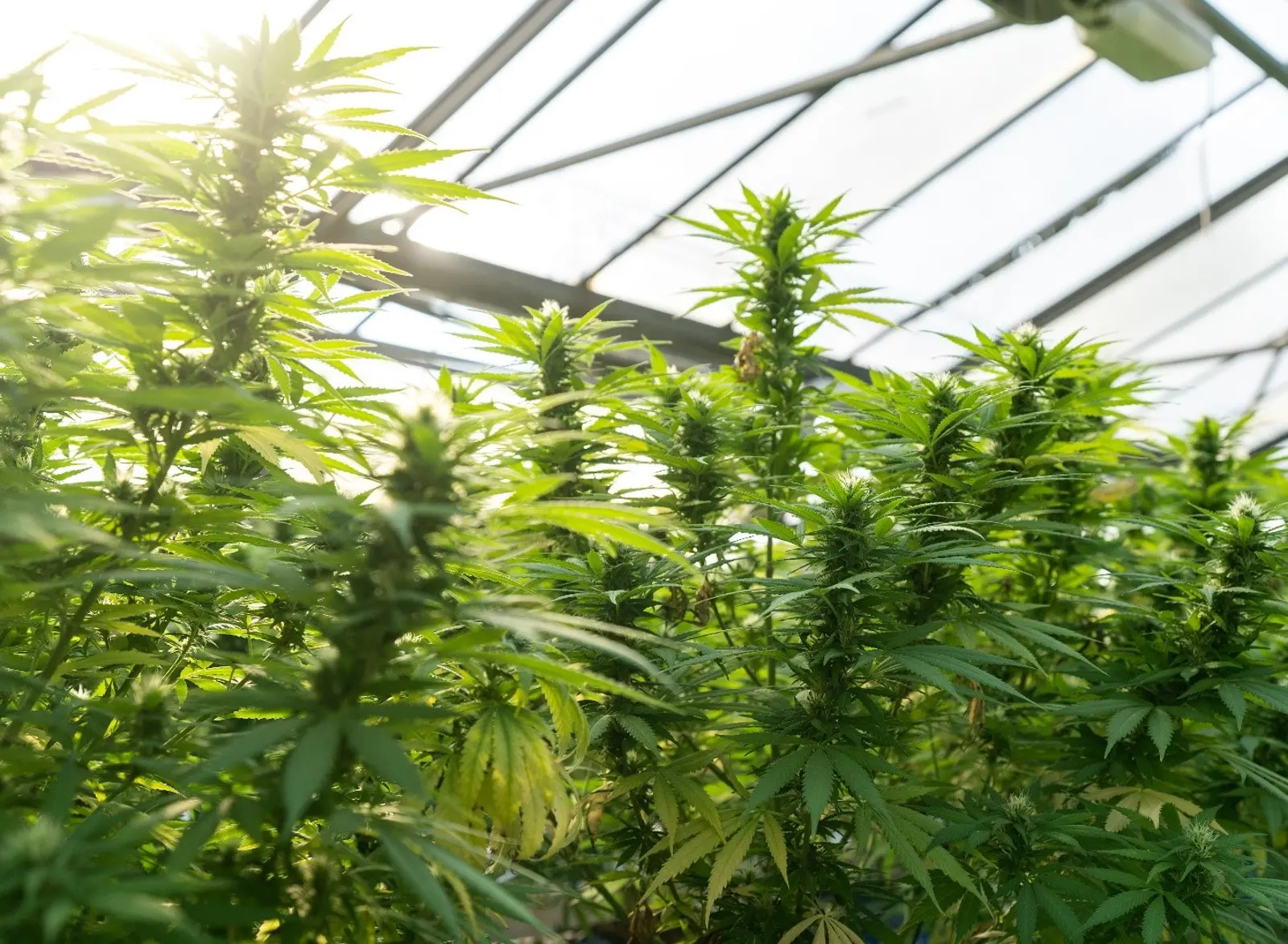
The legality of growing hemp varies depending on the country and jurisdiction. In many countries, hemp cultivation is legal under certain conditions, while in others, it may still be subject to restrictions or be illegal altogether.
In the United States, for example, hemp cultivation became federally legal with the passage of the 2018 Farm Bill, as long as it is grown under a state or tribal hemp program and meets the criteria defining hemp (i.e., containing less than 0.3% THC, the psychoactive compound found in marijuana). However, it's important to note that state laws can vary, and some states may have additional regulations or restrictions on hemp cultivation.
Other countries may have their own regulations regarding hemp cultivation, and some may not distinguish between hemp and marijuana at all, treating all cannabis plants as illegal.
Since laws can change over time and vary depending on your location, it is essential to check your local and national regulations to determine whether hemp cultivation is legal in your area. Consult with legal professionals or relevant authorities for the most up-to-date information on hemp cultivation laws in your country or region.