
Industries
Animal Health
Car Wash
Food Safety
Irrigation
Hemp
Nutrient Delivery System
Water Treatment
Metal Processing
Printing
Products
D07
Hobby Cultivator
D128
D25
DM11 (Diaphragm)
D14
D6
D40
D20
D132
D400
Carts
Installation-Ready Systems
Venturi
Discontinued Products

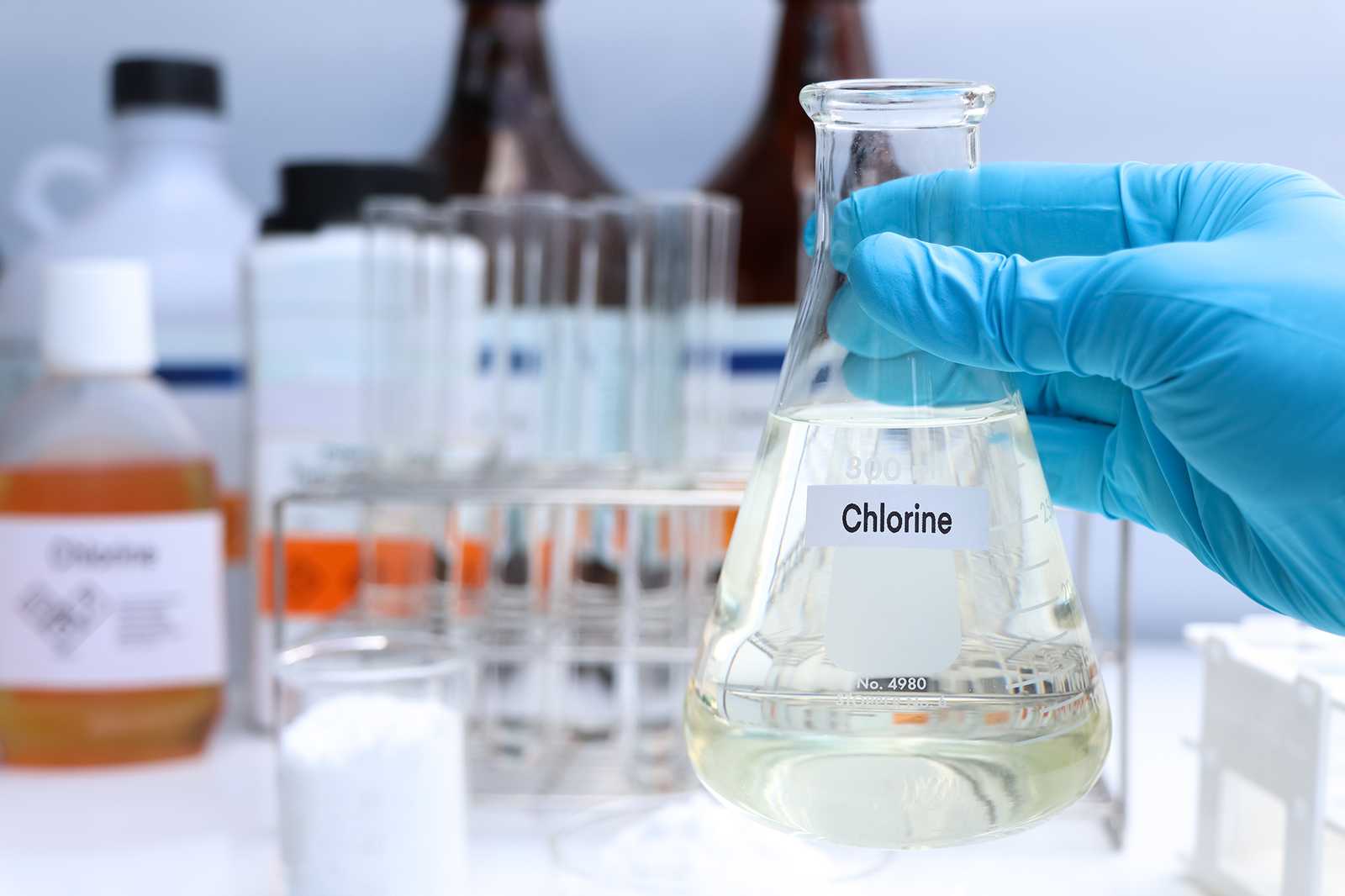
Chlorine is the most widely used disinfectant in drinking water treatment worldwide, and for good reason.
It doesn't simply "kill" germs. It dismantles them at the molecular level through a powerful chemical process called oxidation.

When chlorine is added to water, it reacts to form two chlorine-based compounds:

  • Hypochlorous acid (HOCl) — a small, electrically neutral molecule and the primary germ-killing agent
  • Hypochlorite ions (OCl⁻) — a negatively charged, less reactive form

These compounds attack microorganisms in three ways:

  1. Breaching cell walls and membranes — HOCl oxidizes the lipids and proteins that form the protective outer layer of bacteria and viruses, creating ruptures that cause the cell to leak and collapse (a process called lysis).
  2. Denaturing proteins — Chlorine breaks the chemical bonds in essential enzymes, unfolding them and shutting down the microbe's metabolism and ability to reproduce.
  3. Destroying DNA and RNA — Chlorine oxidizes the genetic material of pathogens, scrambling their code and preventing replication.

This three-pronged oxidative attack is what makes chlorine effective against a broad spectrum of pathogens — including E. coli, Salmonella, Giardia, norovirus, and Legionell

Why pH Matters: HOCl vs. OCl⁻

Not all free chlorine is equally effective. The balance between hypochlorous acid (HOCl) and hypochlorite ions (OCl⁻) is directly controlled by pH:

pH Range

Dominant Form

Disinfection Power

Below 6.0

Nearly 100% HOCl

Maximum effectiveness

6.0 – 7.5

Mostly HOCl

Optimal range for disinfection

Above 7.5

Increasingly OCl⁻

Effectiveness drops significantly

Above 9.0

Nearly 100% OCl⁻

Minimal disinfection

Why does this matter?
Hypochlorous acid (HOCl) is 80 to 120 times more effective as a germicide than the hypochlorite ion (OCl⁻).

The reason is molecular: HOCl is a small, neutral molecule that easily penetrates the negatively charged cell walls of bacteria. OCl⁻, on the other hand, carries a negative charge — and since microbial cell walls are also negatively charged, the two repel each other, much like two same-pole magnets.
How Does Chlorine Kill Germs - image

Chlorine and Public Health in the United States

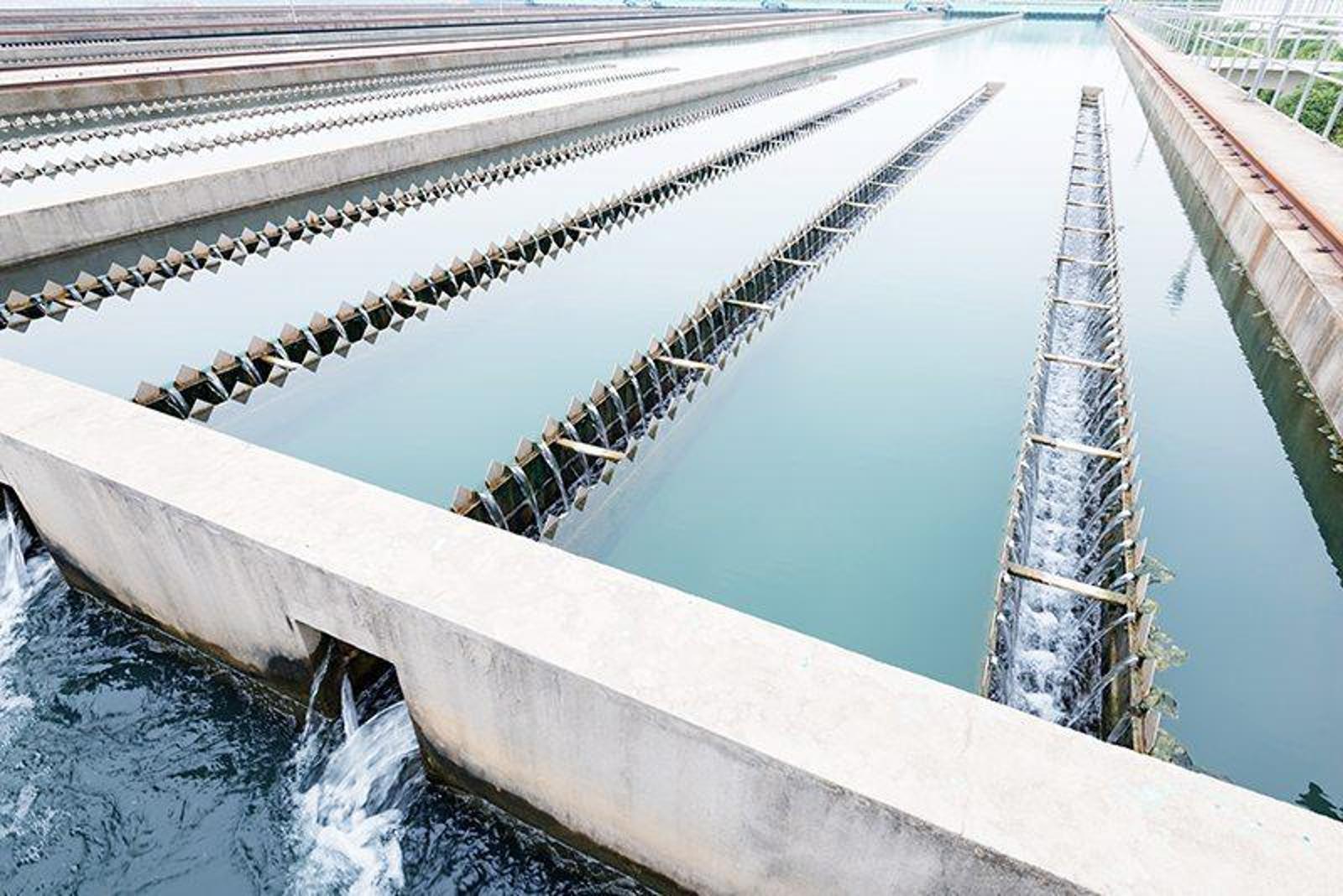
Chlorination is not just a water treatment method — it is one of the greatest public health achievements of the 20th century, according to the CDC. 

A Proven Track Record

  • 1908 — Jersey City, New Jersey became the first US city to routinely chlorinate its public water supply. Within a decade, thousands of cities followed.
  • Typhoid fever dropped from approximately 100 cases per 100,000 people in 1900 to 33.8 per 100,000 by 1920, and to just 0.1 per 100,000 by 2006. 
  • Diseases like cholera, dysentery, and hepatitis A, which once killed thousands of Americans annually, have been virtually eliminated from US drinking water.
  • Drinking water chlorination and filtration are credited with contributing to a 50% increase in life expectancy in developed countries during the 20th century. 

Today's Numbers

  • 9 out of 10 Americans receive their tap water from a regulated public water system.
  • The EPA's Maximum Residual Disinfectant Level (MRDL) for chlorine is 4.0 mg/L — a level considered safe for human consumption.
  • Almost all US systems that disinfect their water use some form of chlorine-based process, either alone or combined with other disinfectants.

The availability of clean, continuously monitored, chlorinated water remains a cornerstone of public health infrastructure in the United States.