
Industries
Animal Health
Car Wash
Data Centers & Mission-Critical Cooling
Food Safety & Sanitation
Irrigation
Hemp
Mining & Aggregates
Nutrient Delivery System
Water Treatment
Metal Processing
Printing
Products
D07
Hobby Cultivator
D128
D25
DM11 (Diaphragm)
D14
D6
D40
D20
D132
D400
Carts
Installation-Ready Systems
Venturi
Discontinued Products
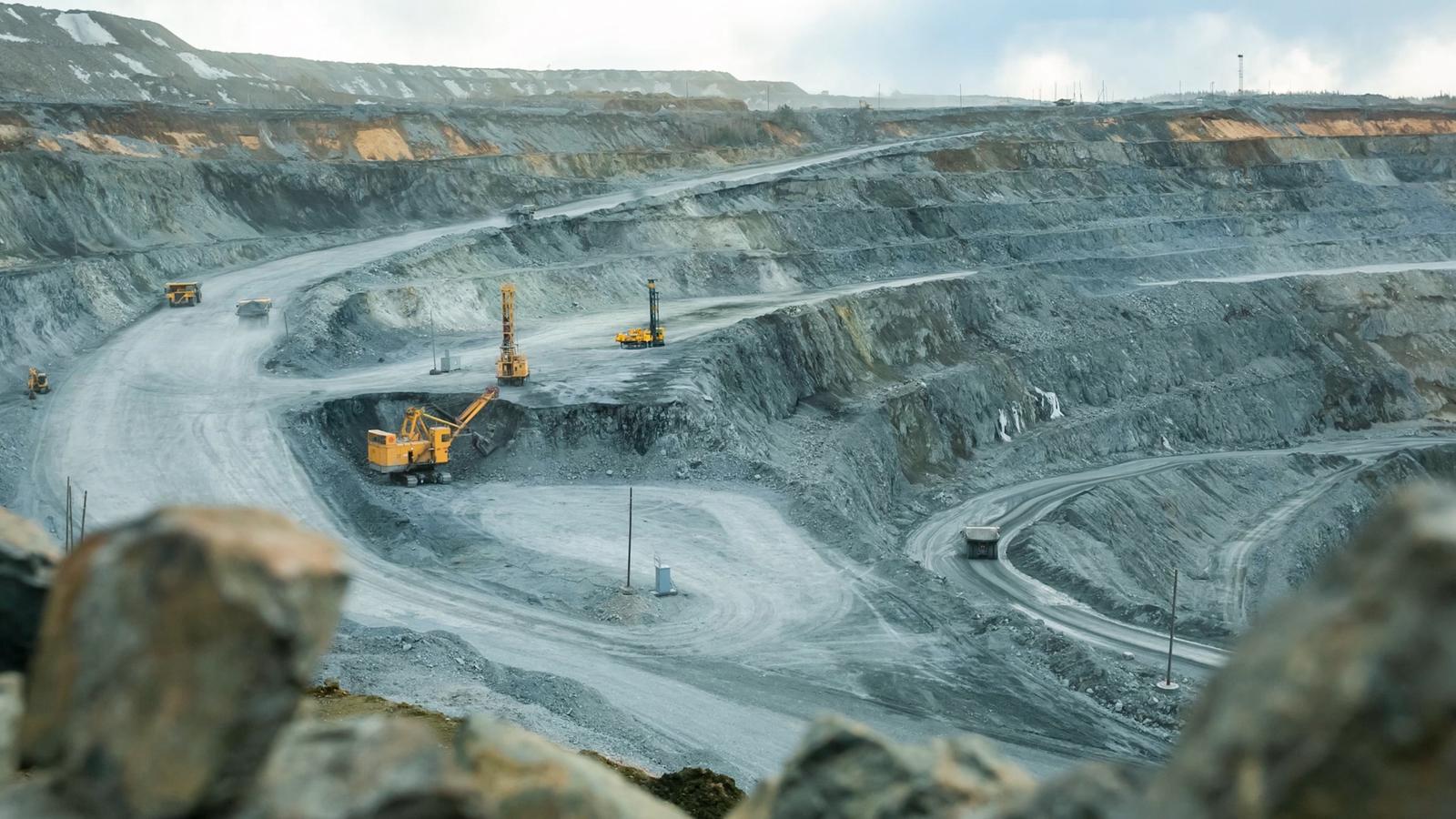
A water-powered injector for mine dust suppression is specified on six checks: water flow, line pressure, injection ratio, concentrate viscosity, temperature and seal material. Get these values from the fill pump or spray manifold data and from the suppressant data sheet. Then match them to a Dosatron model range. Missing any one is the usual reason an injector under-doses. 

Why do dust suppressant injectors under-dose?

Most dosing problems on mine dust circuits come from how the injector was sized or installed, not from the injector itself. A proportional injector holds its ratio only inside its flow and pressure window, with a concentrate it can draw. These are the common mistakes. 

1. Is the water flow inside the range at both ends? 

List the minimum and maximum flow at the dosing point. A fill pump ramps up; a manifold may run half its nozzles. Dosatron ranges run from 0.4–20 GPM (D45RE) to 110–400 GPM (D400), and units can be installed in parallel. 

2. Is the line pressure inside the range? 

Check the pressure at low and high flow. Add protection against water hammer and excess flow, as Dosatron installation guidance recommends. 

3. Does the injection range cover the supplier's dilution? 

Convert the supplier's dilution to a percentage or ratio. The D400 tops out at 0.5%; the D40MZ5 reaches 5%. A high ratio at high flow can mean parallel units. 

4. Can the injector draw the concentrate? 

Ask for the viscosity at the lowest site temperature. D45: maximum 400 cSt. D3IL EX: viscous-additive kit above 200 or 400 cPs, depending on model. 

5. Will water temperature stay between 41 °F and 104 °F? 

Those are Dosatron's listed limits. Plan freeze protection and shade (see site conditions below). 

6. Do the seals suit the chemistry? 

Aflas (AF) for caustic, higher-pH products; Viton (VF) for acidic, lower-pH products; Kalrez (K) for concentrated acids and strong oxidizers. 
What site conditions belong on the specification?

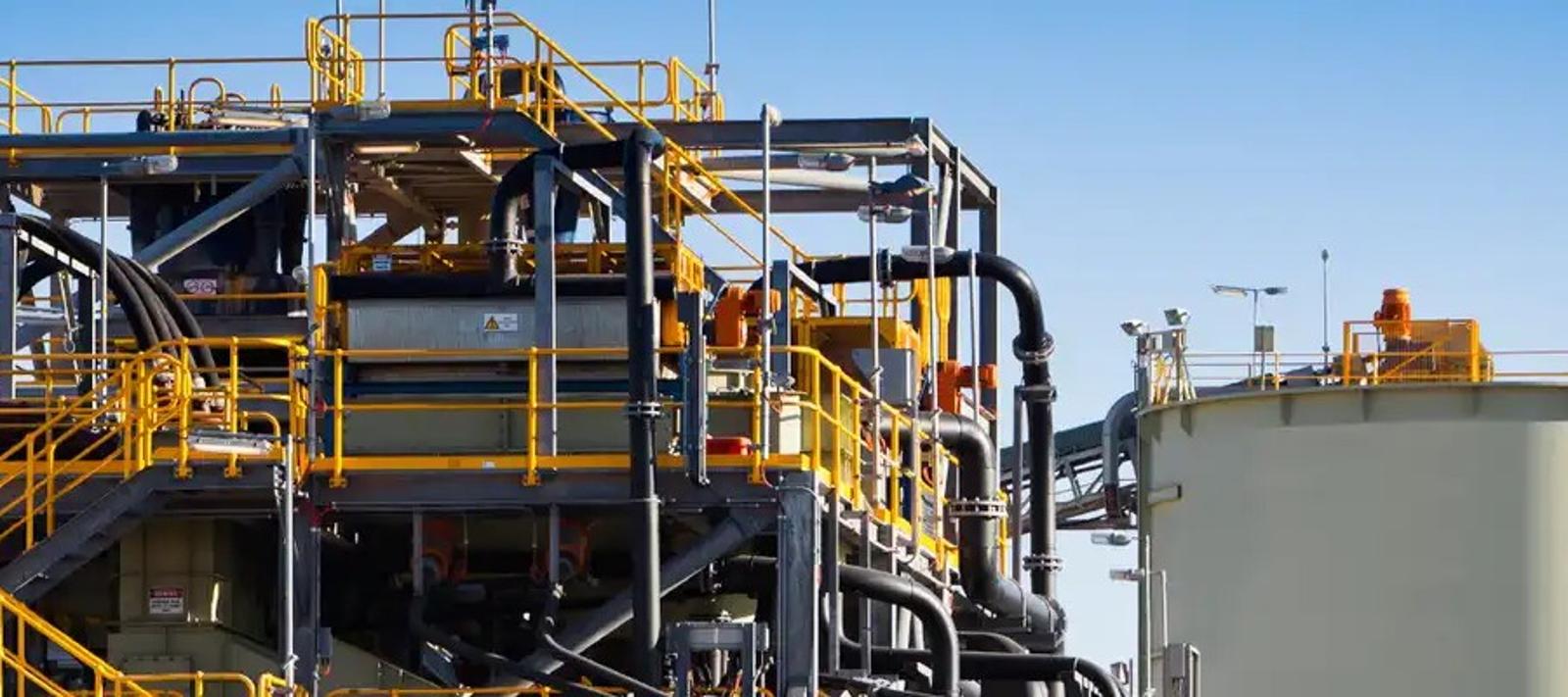
The six checks size the injector. Site conditions decide whether it keeps working once installed. Add these questions to the specification sheet and answer them before the order is placed. 

Water source and quality. 

  • Where does the water come from: potable, bore, pit, decant or process water?
  • Does it carry sand, grit or scale?

Dosatron's North American guide requires a 200 mesh (80 micron) inlet filter, plus pre-filtration where water quality is poor. Specify both, and specify the cleaning interval. 

Lowest and highest temperatures. Record the lowest ambient and water temperature at the dosing point, and the highest. Below about 32 °F (0 °C), the specification must include a heated enclosure or a drain-down routine. Above 104 °F, it needs shade or buried supply. 

Valves downstream. List every solenoid valve, quarter-turn valve or trigger gun on the circuit. Each can cause water hammer. Specify a water hammer arrestor near the shock source; Dosatron kits cover 3/4-inch, 1-1/2-inch and 2-inch pipe. If one injector serves several zones, specify slow-closing solenoids that open together. 

Tote location. The tote must be within 10 feet (3 m) of the injector, within its 13-foot (4 m) suction lift, and below its inlet and outlet. If it cannot be, specify a secondary tank with a float valve. 

Chemical compatibility beyond the seals. 

  • Confirm the suppressant against housing materials as well as seals. Chloride brines are highly corrosive to aluminum (USDA Forest Service), and some high-flow models use aluminum housings.
  • Confirm the application method. Calcium chloride below 20% concentration performs about the same as plain water, so chlorides may not suit low-ratio injection.

Pump position. Confirm the injector will not sit on the suction side of any pump. Dosatron manuals warn of siphoning there. 

FAQ

Yes. Dosatron's North American guide calls for a 200 mesh (80 micron) filter on the inlet side, with pre-filtration where water carries sand or grit. Mine water often carries fines that wear seals. 

When the requested dose is not the delivered dose

Under-dosing is not only a dust circuit problem. In flotation, leaching and water treatment, a gap between the dosing setpoint and the reagent actually delivered causes the same hidden drift. SEEPEX explains how accuracy and repeatability differ, and why delivered chemical flow should be treated as a process variable.