Industries
Animal Health
Car Wash
Data Centers & Mission-Critical Cooling
Food Safety & Sanitation
Irrigation
Hemp
Mining & Aggregates
Nutrient Delivery System
Water Treatment
Metal Processing
Printing
Products
D07
Hobby Cultivator
D128
D25
DM11 (Diaphragm)
D14
D6
D40
D20
D132
D400
Carts
Installation-Ready Systems
Venturi
Discontinued Products

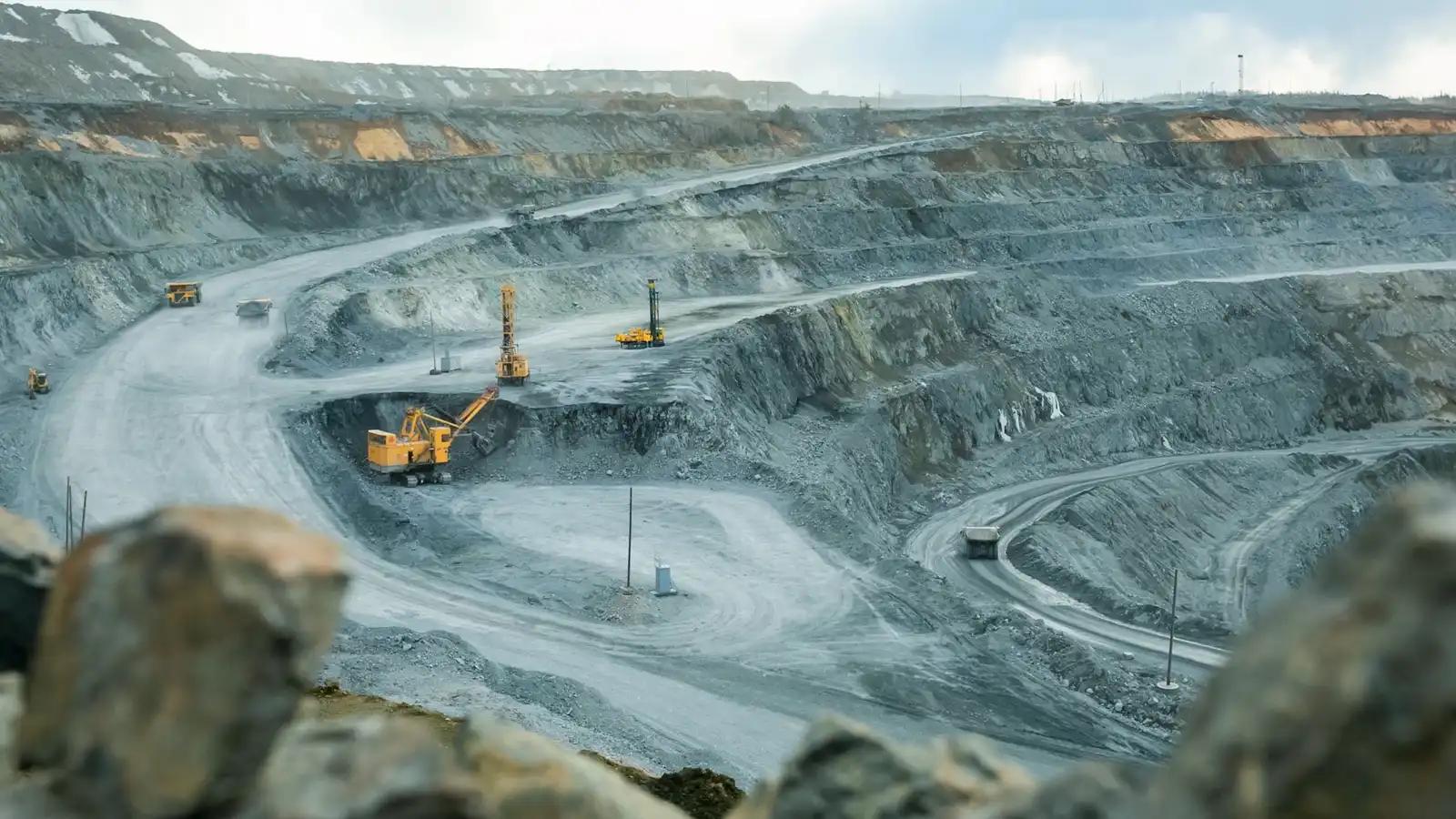
Stockpile dust is controlled for longer when a binder or crusting agent is mixed into the sprinkler or cannon water at a steady ratio. A Dosatron® water-powered injector on the supply line meters the concentrate in proportion to flow. The surface receives the strength the supplier specified, and the crust forms evenly across the pile. 

What fails on stockpiles?

Stockpiles release dust in two ways. Wind lifts dry fines off exposed faces. Handling (stacking, reclaiming and dozer work) breaks the surface and releases dust at the working face. Fog cannons and sprinklers deal mostly with handling dust by wetting the area around the activity. Binders and crusting agents deal with wind erosion by forming a surface layer that lasts between disturbances. Each job fails differently. 

Why does viscosity decide the model?

Polymer and lignosulfonate concentrates can be viscous, and viscosity rises in cold weather. The Dosatron D45 range lists a maximum concentrate viscosity of 400 cSt. The D3IL EX range offers a viscous-additive kit above 200 or 400 cPs, depending on model. Ask the supplier for viscosity at your lowest operating temperature, not just at 68 °F. 

What site conditions affect stockpile and fog cannon dosing?

Stockpile dosing points are usually the most exposed on site: long pipe runs, no building and full sun or full frost. The pillar page has the full site-conditions checklist; these are the points that matter most here. 

The cleanest water on the dust circuit. Fog cannons have the smallest orifices on site. Filter at the injector inlet to Dosatron's specification. Add a fine strainer ahead of the cannon if its manufacturer requires one. Where the water is hard or saline, plan regular descaling of the injector (1:1 water and vinegar for 24 hours, per Dosatron) and of the nozzles. 

Frost and seasonal shutdown. Cannons and their supply lines are usually fully exposed. Drain the injector and the lines whenever temperatures approach 32 °F (0 °C), or house the injector in a heated enclosure. Many sites take unheated cannons out of service in deep winter anyway. Plan the shutdown so the injector is flushed, drained and given its annual seal change at the same time. 

Binder viscosity in the cold. A binder that draws well in summer can starve the injector on a cold morning. Store the tote somewhere that stays above the supplier's minimum temperature. Re-check viscosity against the model limit for autumn and spring use. 

Pressure at the end of a long run. Long supply runs to the stockpile area lose pressure. Confirm the pressure at the injector inlet while the cannon is running at full demand, not at static pressure. It must stay inside the model's range. 

Where should the injector go?

Install the injector on a pressurized supply line feeding the cannon or sprinkler. Do not install it on the suction side of a booster pump: Dosatron manuals warn of siphoning on the pump suction circuit. Where the cannon has its own booster, there are two arrangements: 

  • dose into the pressurized line that fills the booster's break tank or feed;
  • install the injector on the booster's discharge, if that pressure is inside the model's range.

Ask Dosatron to confirm the layout for your cannon. 

Keep the suction line short and the tote at a stable level, below the injector's inlet and outlet. Fit a check valve downstream if the cannon sits higher than the injector. At the end of a binder campaign, inject clear water through the unit so concentrate does not cure inside. 

FAQ

Yes, by changing the concentrate and the dial setting. Flush with clear water between products, and check that the seals suit both. 

Same failure mode, larger reagent duty: viscosity and suction

Binder dosing stalls when a viscous concentrate cannot reach the injector: a long suction line, a badly placed tote, a cold morning. Process reagent dosing in the plant faces the same suction and viscosity questions. SEEPEX sets out how concentration, viscosity, temperature, suction layout and materials shape a mining reagent dosing system.