Why do water truck loads leave at the wrong strength?
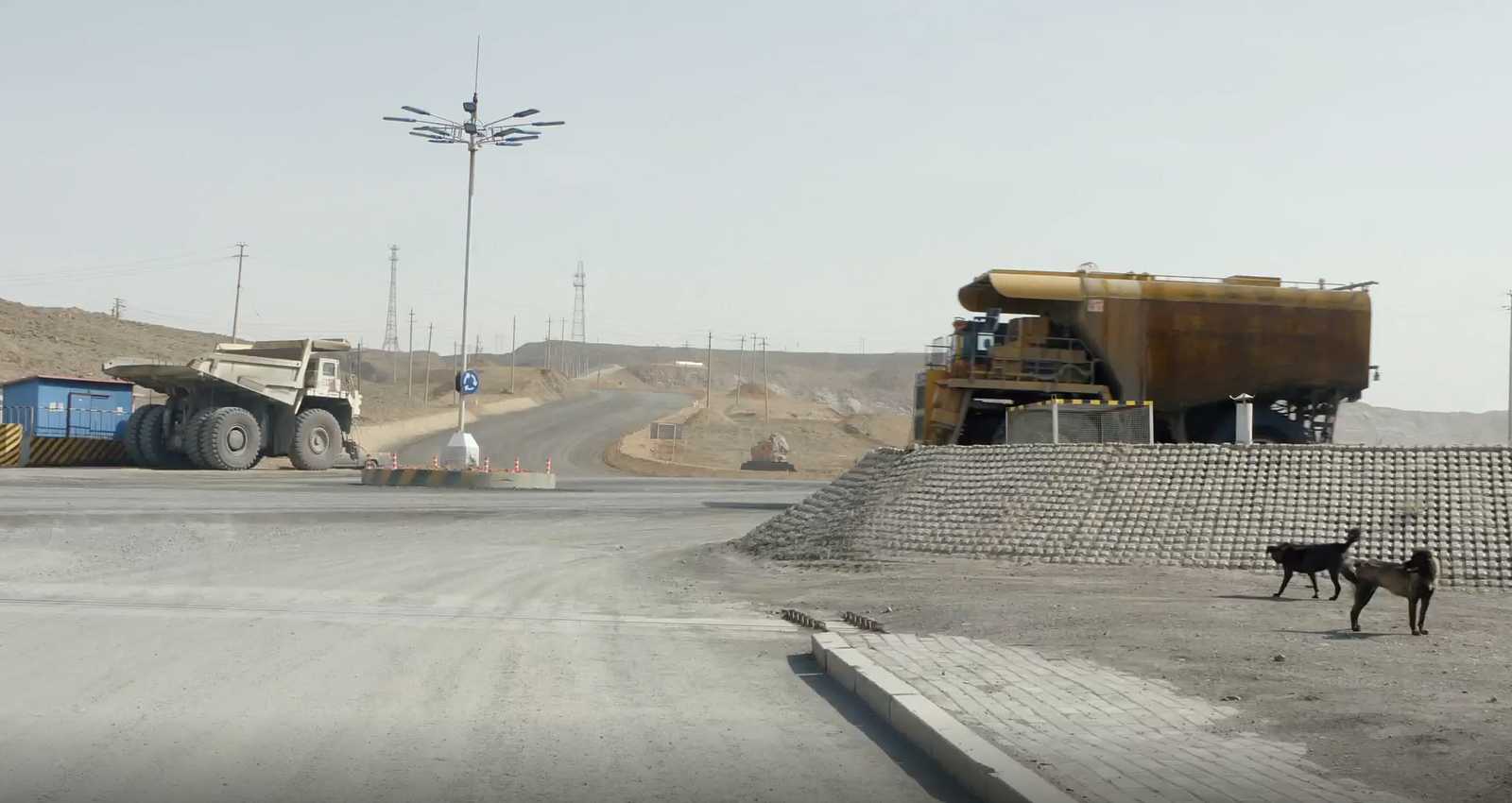
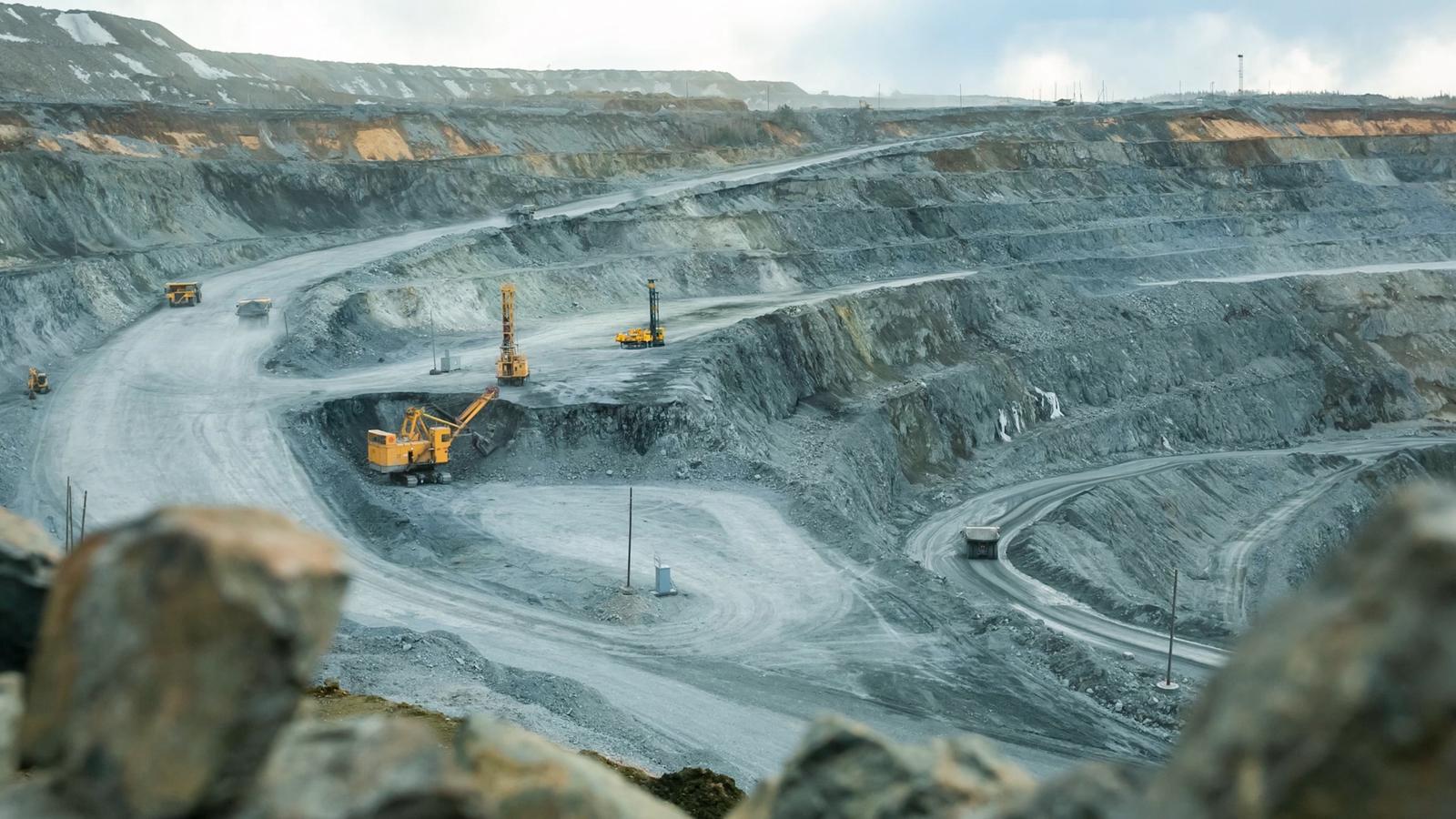
A fill station has one job: load a tank in minutes and get the truck back on the road. That duty profile causes most dosing failures. NIOSH identifies haul trucks as the main dust source at most surface mines. It also notes that road treatments need continual maintenance, because traffic, dry weather and spillage degrade the surface (NIOSH Engineering Controls Database). Water alone lasts about ½ to 12 hours on a road surface, depending on temperature and humidity (USDA Forest Service). Consistent concentration on every pass is what keeps a treatment working between reapplications. Five failures break that consistency.
Batch mixing in the tank
Concentrate is poured into a partly filled tank, often by eye. The final strength depends on how full the tank was. Short fills come out strong, topped-up tanks come out weak, and the result changes from shift to shift. The haul road gets uneven treatment, and the chemical budget drifts.
Air in the suction line
After a weekend, a tote change or a suction hose repair, air sits in the suction line. The first load of the shift goes out light until the injector primes. A joint in the suction hose can also draw air and cut injection (Complete Guide of Best Practices).
Fill flow above the injector's range
Fill stands are sized for speed. If the fill flow exceeds an injector's maximum, its motor overspeeds and wears. Dosatron gives a simple field check: 2 clicks per second or more means the maximum flow has been exceeded (Dosatron, Complete Guide of Best Practices). The fix is a larger model or parallel units, not a smaller valve opening.
Foam and an empty tote
Surfactants can foam when the fill stream falls freely into the tank. A bottom-fill or submerged-fill arrangement reduces foam; confirm foaming behavior with the supplier. When the tote runs dry, trucks keep filling with plain water, and nobody notices until dust returns.
Valve slam at the end of each fill
Quarter-turn and butterfly valves on fill stands close fast. Each closure sends a pressure wave back through the injector. Dosatron's water hammer guidance states this wave can return at up to 4 times the force or pressure. Over a season of fills, that is a steady source of damage.
Which Dosatron model fits a fill station?
- Dosatron D20S: 5 to 100 GPM, 2 to 145 PSI, 0.2 to 2% injection, 2" NPT. Dosatron shows four and five D20S units in parallel for 400 and 500 GPM.
- Dosatron D132MZ1: 35.2 to 132 GPM, 7 to 87 PSI, 0.1 to 1%, 3" NPT.
- Dosatron D400: 110 to 400 GPM, 7.25 to 116 PSI, 0.003 to 0.5% by model, 4" flange.
Check the suppressant supplier's dilution against the injection range first. Then check the fill pump's flow at the start and end of the fill. Do not size to the average: the injector must cover both ends.
What site conditions affect a fill station injector?
A fill station is usually outdoors, at the end of the longest pipe on site. It is the dosing point most exposed to frost and the most likely to receive dirty water. The pillar page has the full site-conditions checklist. These conditions matter most at the standpipe.
Freezing. Dosatron requires frost protection when temperatures approach or fall below 32 °F (0 °C). Put the injector, the suction line and the tote in a heated enclosure. If that is not possible, drain the injector at the end of each shift in freezing weather. Drain-down steps:
- Shut off the water.
- Press the air-bleed button to depressurize.
- Remove the injection stem.
- Drain the bell housing.
Heat. In summer, shade the injector and the tote. Dosatron lists a water temperature range of 41 °F to 104 °F.
Water quality. Raw, pit and decant water carry sand and fines. Dosatron's North American guide requires a 200 mesh (80 micron) filter on the inlet side, plus pre-filtration where grit is present. Clean the screen on a fixed schedule, for example at each tote change. Do not wait for fill times to stretch.
Valve and pressure protection.
- Fit a water hammer arrestor close to the fill valve, mounted so the shock dead-ends into it.
- Open and close the fill valve gradually.
- Fit a pressure-regulating valve if the fill pump can spike above the model's pressure range.
Tote placement.
- Keep the tote within 10 feet (3 m) of the injector, inside its 13-foot (4 m) suction lift.
- Keep the strainer about 2 inches (5 cm) above the tote floor.
- If the tote sits on a stand above the injector, its liquid level can siphon into the line. Lower it, or feed a secondary tank with a float valve.
Chemistry and climate. Hygroscopic salts draw moisture from the air, so humidity decides whether they work. USDA NRCS does not recommend calcium or magnesium chloride where daily summertime relative humidity averages below 30%. Chlorides are also highly corrosive to aluminum (USDA Forest Service). Check them against the truck tank, the fill pump and the injector before use.

FAQ
Upstream of the fill stand: where the water comes from
Many fill stations draw pit or decant water, and that water brings sand and fines to the injector filter. Getting that water out of sumps and pits reliably is a mine dewatering duty. SEEPEX, the Ingersoll Rand progressive cavity pump brand for mining, covers mine dewatering from pump selection to system design for open-pit and underground sites.

Mine Dewatering Pumps & Water Management | SEEPEX
Mine dewatering pumps and solutions: strategy, pump selection, system design and water management for underground and open-pit mining.

Mining & Mineral Processing Pump Solutions | SEEPEX
SEEPEX pumps for mining and mineral processing: dewatering, flocculant dosing, tailings handling, slurry transfer and water recovery.