
Industries
Animal Health
Car Wash
Data Centers & Mission-Critical Cooling
Food Safety & Sanitation
Irrigation
Hemp
Mining & Aggregates
Nutrient Delivery System
Water Treatment
Metal Processing
Printing
Products
D07
Hobby Cultivator
D128
D25
DM11 (Diaphragm)
D14
D6
D40
D20
D132
D400
Carts
Installation-Ready Systems
Venturi
Discontinued Products

Understanding the effect of temperature on surface tension is important in many industries. It explains how liquids behave under changing conditions and how they spread, mix, or remain stable.

Surface tension controls how a liquid interacts with itself and with a solid surface. When temperature changes, surface tension changes as well. This directly affects cleaning, coating, and chemical processes.

This guide explains how temperature impacts surface tension and why stable chemical control supports consistent results.

What Is Surface Tension?

Surface tension is the force at the surface of a liquid. It comes from cohesive forces between molecules.

Inside the liquid, molecules pull in all directions. At the surface, they pull inward. This creates a force along the surface.

Because of this, the surface behaves like an elastic film. It can resist small forces and maintain its shape.

Liquid molecules remain connected at the surface. This allows the surface to resist breaking and form droplets. This is why water beads on a solid surface and can support small objects.
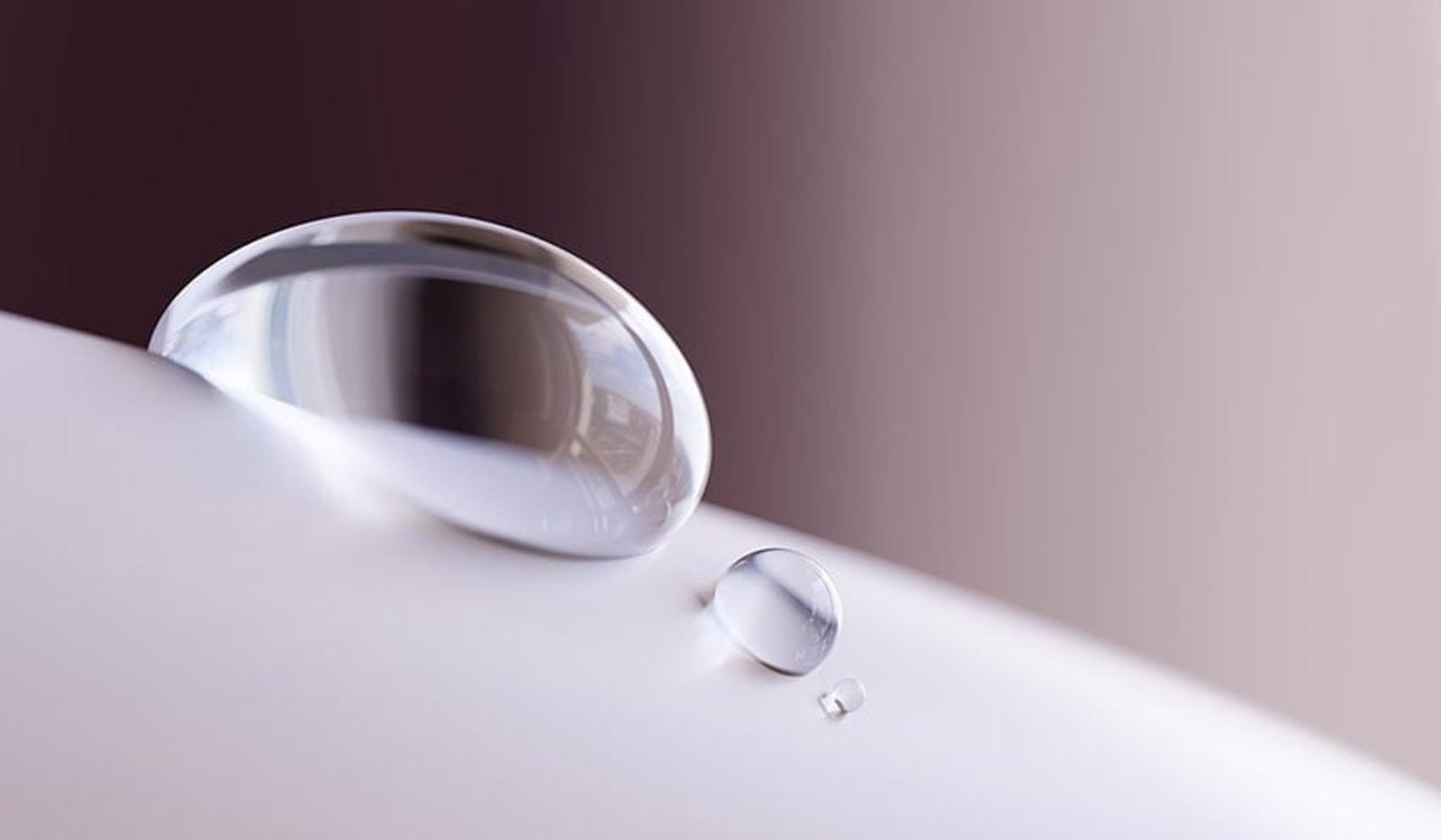
What Is Surface Tension?

How Temperature Affects Surface Tension

The effect of temperature on surface tension is direct and consistent.

As temperature increases, surface tension decreases. When a liquid is heated, its molecules gain energy and move faster.

This faster movement weakens the cohesive forces between molecules. As a result, the surface becomes less stable and spreads more easily.

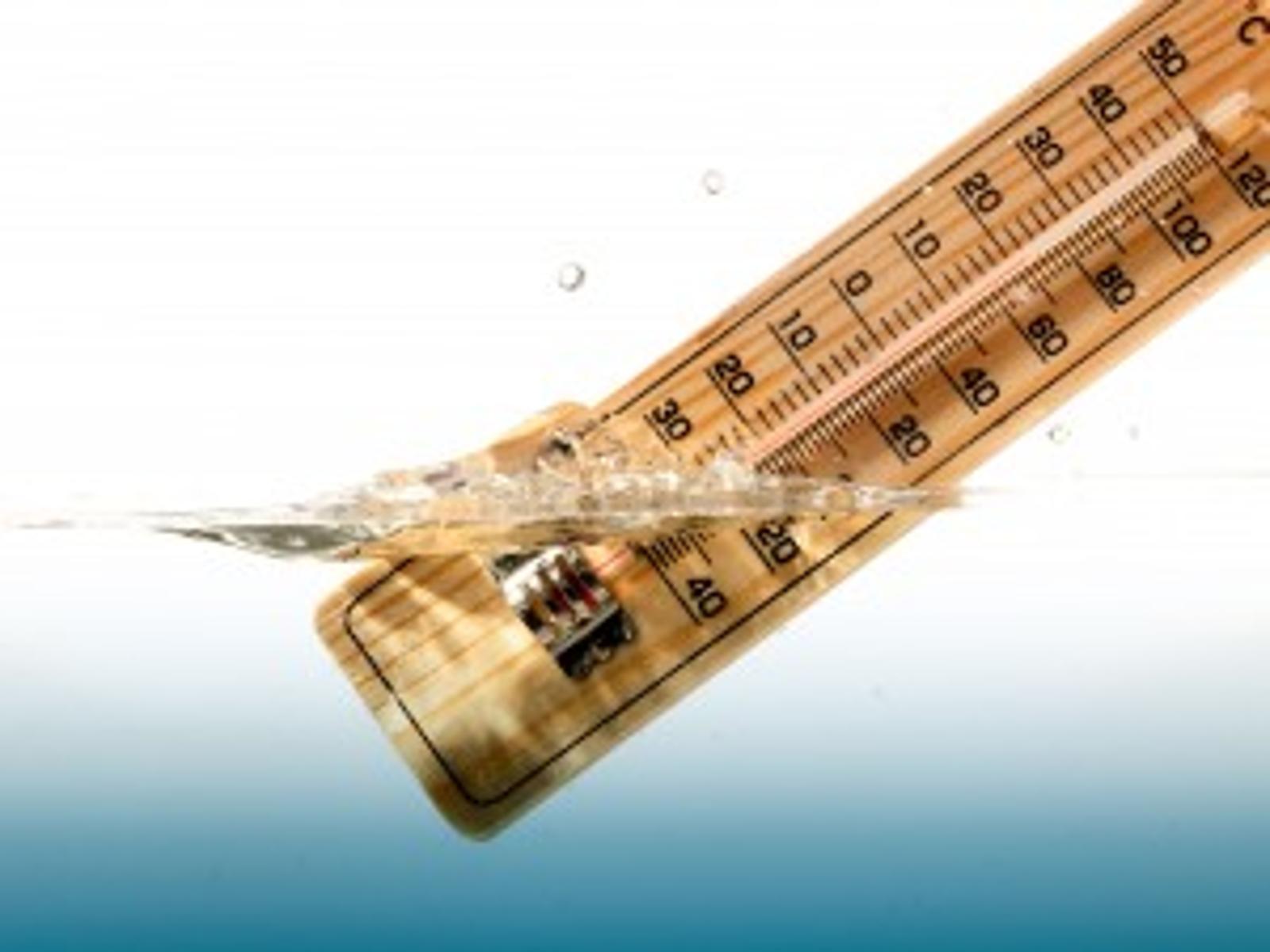
Ruler In water

What Happens at Lower Temperatures

Lower temperatures produce the opposite effect.

When temperature decreases, molecules move more slowly. Cohesive forces become stronger, and the surface becomes tighter.

This leads to higher surface tension. Liquids form stronger droplets and resist spreading across a solid surface.

Why Temperature Matters in Real Applications

Temperature changes can have a strong impact on real systems.

Liquids may spread too much or too little depending on conditions. Cleaning results can vary, and coatings may become uneven.

In industrial processes, even small temperature changes can affect performance. This is why temperature control is critical for consistent results.

The Relationship Between Molecules and Temperature

Surface tension depends on molecular behavior.

As temperature rises, molecules move faster and interact less strongly. This reduces the strength of cohesive forces and lowers surface tension.

At lower temperatures, molecules move less. The attraction between them increases, which raises surface tension.

This relationship explains why heat reduces the strength of the liquid surface.

Examples of Temperature Effect on Surface Tension

The effect of temperature can be observed in simple cases.

In water, cold conditions produce higher surface tension. The liquid forms tight droplets and spreads slowly. When water is heated, surface tension drops and the liquid spreads more easily.

In cleaning systems, the same effect is seen. A cold solution may stay in droplets, while a warm solution spreads across the surface. Better spreading improves contact and overall cleaning performance.

The Role of Surface Tension in Liquid Spreading

Surface tension controls how liquids move across a solid surface.

At higher temperatures, lower surface tension allows liquids to spread more easily. At lower temperatures, higher surface tension limits spreading.

This behavior affects efficiency in cleaning, coating, and fluid distribution systems. Controlling surface tension helps ensure even coverage.

Surface Tension in Liquid Spreading

Why Consistency Is Important

In many industries, liquids must behave the same way every time.

When temperature changes, surface tension can shift quickly. This can lead to uneven coverage, inconsistent cleaning, or unstable chemical performance.

Maintaining stable conditions helps prevent these issues. Consistent surface tension supports reliable system operation.

The Link Between Temperature and Chemical Performance

Temperature affects both the liquid and the chemicals mixed into it.

At higher temperatures, chemicals may spread faster and react more quickly. This can change how the system performs.

At lower temperatures, reactions may slow down, and liquids may not spread as expected.

Because of this, chemical performance depends on both temperature and concentration.

Why Chemical Dosing Must Stay Accurate

Accurate dosing is important when temperature changes.

If chemical levels are too high, surface tension may drop too much. If levels are too low, the liquid may not spread enough.

Balanced dosing keeps the system stable. It helps maintain consistent interaction between the liquid and the solid surface.

How Dosatron Helps Control Surface Behavior

Consistent chemical dosing supports stable surface conditions.

Flow-driven dosing systems adjust chemical levels based on water flow. This keeps the mixture consistent, even when system conditions change.

Stable dosing helps maintain more predictable surface tension. It reduces variation and improves overall performance.

Works in Changing Conditions

Industrial systems often operate under variable conditions.

Temperature, flow rate, and chemical demand can all change over time. A stable dosing system helps maintain consistency during these changes.

Reliable dosing improves repeatability and reduces process variation.

Industries Where Temperature Matters

Many industries depend on stable surface tension.

Cleaning systems rely on proper spreading and contact. Food and beverage production requires controlled fluid behavior. Water treatment and spraying systems also depend on consistent liquid performance.

In these environments, temperature changes can quickly affect results.

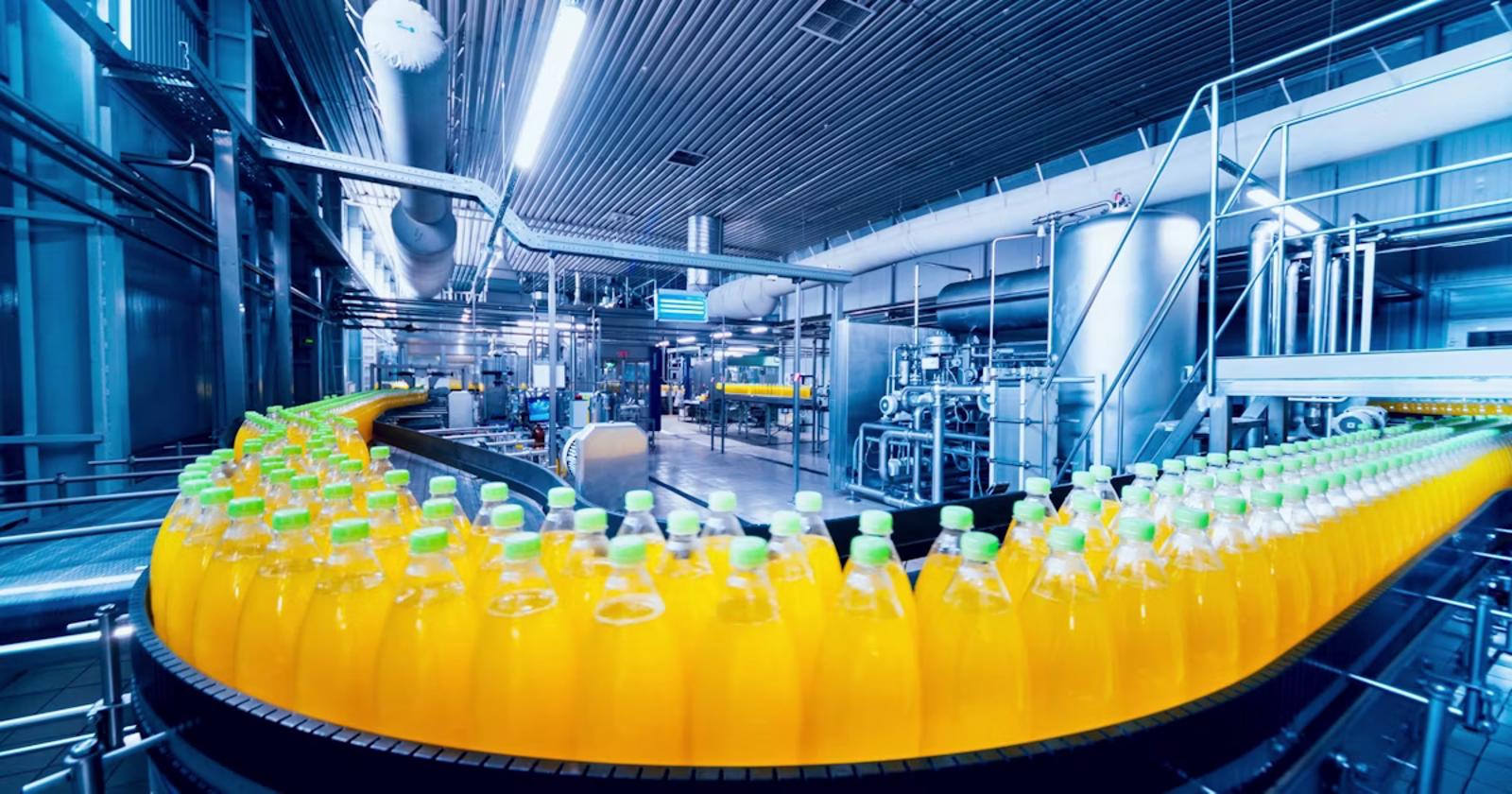
Beverage Factory

How to Manage Temperature Effects

Managing temperature helps control surface tension and system performance.

Monitor system conditions and track temperature changes. Keep chemical dosing consistent and test liquid behavior regularly.

Small adjustments can help maintain stable operation and prevent unexpected results.

The Importance of Monitoring Conditions

It is important to observe how liquids behave over time.

Changes in spreading, coverage, or interaction with a solid surface may indicate a shift in surface tension.

Regular monitoring helps detect problems early and maintain system stability.

Common Mistakes to Avoid

Some common issues can reduce performance.

Ignoring temperature changes can lead to unstable results. Inconsistent chemical mixing can also affect surface tension.

Poor monitoring makes it harder to detect these problems. Addressing these issues improves system reliability.

Improving System Efficiency

Controlling temperature and chemical levels improves efficiency.

Liquids spread more evenly, and less chemical is wasted. Performance becomes more stable, and operating costs can decrease.

Well-controlled systems produce more predictable results.

Long-Term Benefits of Proper Control

Stable surface tension leads to better long-term performance.

Systems show more consistent results and require fewer adjustments. Downtime is reduced, and product quality improves.

Strong control over temperature and chemistry supports reliable operation.

Final Thoughts

The effect of temperature on surface tension is simple and consistent.

As temperature increases, surface tension decreases. This happens because heat weakens cohesive forces between molecules.

This change affects how liquids spread, interact with a solid surface, and perform in real applications.

By controlling temperature and maintaining stable chemical dosing, systems can operate more efficiently and deliver consistent results.