Industries
Animal Health
Car Wash
Data Centers & Mission-Critical Cooling
Food Safety & Sanitation
Irrigation
Hemp
Mining & Aggregates
Nutrient Delivery System
Water Treatment
Metal Processing
Printing
Products
D07
Hobby Cultivator
D128
D25
DM11 (Diaphragm)
D14
D6
D40
D20
D132
D400
Carts
Installation-Ready Systems
Venturi
Discontinued Products

Fertigation is a way to send water‑soluble fertilizers through your irrigation system. It allows you to nourish and hydrate your plants simultaneously, at once. Instead of spreading dry fertilizer by hand, fertigation mixes the nutrients into the irrigation water for you.

The nutrient‑rich water then moves straight to the plant roots through drip systems, sprinklers, or underground lines.

This method lets growers change the type and strength of nutrients based on each growth stage. They can do this without changing their irrigation schedule.

Fertigation lets growers give small, steady amounts of fertilizer on a regular schedule. This helps plants grow evenly and reduces nutrient loss in the soil. Traditional methods often lose nutrients through runoff, but fertigation sends water and nutrients straight to the plant roots. This improves both plant yield and quality.

Fertigation is ideal for hydroponics, greenhouses, field agriculture, and especially cannabis cultivation—where precision and consistency directly impact quality and yield.

What Is a Fertigation Equipment and How Much Does It Cost?

The tools used to inject a nutrient solution into your irrigation system can vary. Some fertigation setups are simple, using just a dosing pump and tank. Advanced setups include monitors for pH and nutrient levels and can be programmed to inject precise amounts.

A basic system for small-scale use (like in a greenhouse or with a drip irrigation system) might cost under $500. More advanced equipment with multiple nutrient injectors and automated controls can range from $1,000 to over $10,000. The overall cost is based on the fertilizers you use, the irrigation method, and how closely you want to control the flow.

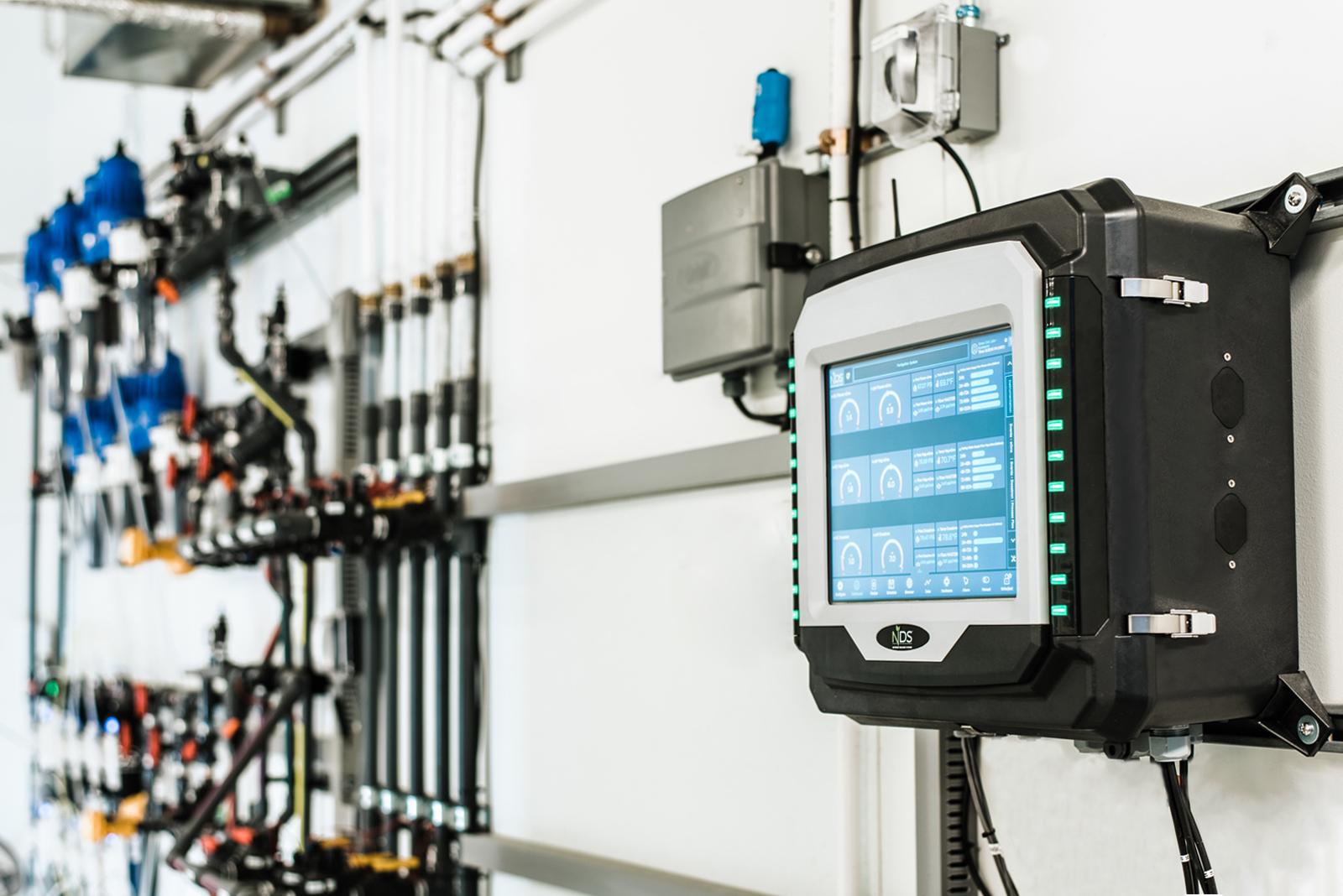
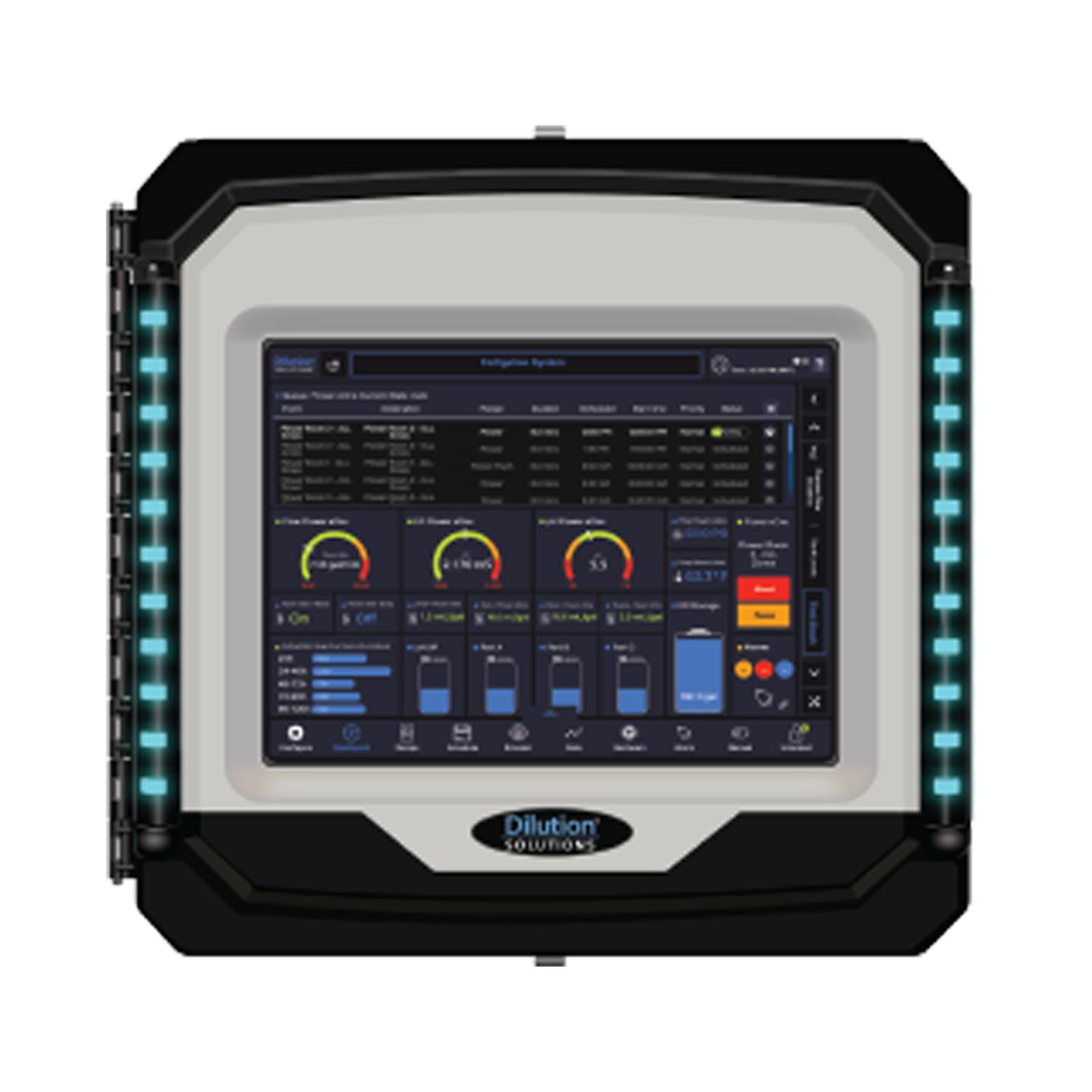
An installed Dilution Solutions controller in a grower's facility.

Fertigation Methods

Fertigation works with many types of irrigation systems. Common methods include drip irrigation systems. Sprinkler systems and subsurface drip lines are also widely used. One main benefit is giving plants the right amount of nutrients at the right time.

This helps prevent nutrient problems, supports even plant growth, and keeps the system running efficiently. A proper fertigation setup also includes backflow prevention to keep fertilizers from flowing back into the main water line.

Fertigation often uses liquid fertilizers because they mix easily with irrigation water. This makes nutrient application simple and helps improve nutrient uptake in the root zone. Growers can change the amount of nutrients in each irrigation cycle so the plants get what they need at each growth stage.

Another method is continuous feeding. In this method, the system gives small amounts of nutrients each time it runs. This keeps nutrient levels steady and reduces plant stress.

This is especially helpful in maintaining consistent growth and avoiding nutrient swings that can happen with less frequent feeding. You can also change the injection rate based on the crop and the condition of the irrigation water.

Some growers feed plants small amounts of nutrients each time they water. Others add nutrients only during certain growth stages. Both approaches can work well with different fertigation systems.

In both cases, mixing water and nutrients helps plants grow well. It also supports simple and efficient growing practices. This approach also helps growers manage their water supply more effectively.

Types of Fertigation Systems

From basic to complex, fertigation systems vary by crop type, farm size, and level of control required:

  • Manual Mixing + Application: You mix your nutrient solution by hand and use watering cans or hoses to apply it. Useful for small gardens but labor-intensive.
  • Drip Injection Systems: These are common in both soil-based and hydroponic setups. They deliver nutrients slowly and directly to the root zone using emitters or tubing.
  • Sprinkler-Based Systems: Nutrient-rich water is applied over the crop canopy. Ideal for larger field crops, although less precise than drip.
  • Subsurface Drip Systems: With buried drip lines, these systems support deep-root feeding. Excellent for water-limited regions, they also prevent foliar diseases since leaves remain dry during feeding.
  • Automated Multi-Tank Systems: Store different fertilizers in separate tanks. This prevents mixing problems and helps control pH, timing, and fertilizer amounts.

Using this system instead of traditional fertilizer methods gives you more control and lowers environmental harm.

drip irrigation stock photo

Where Dosatron Excels

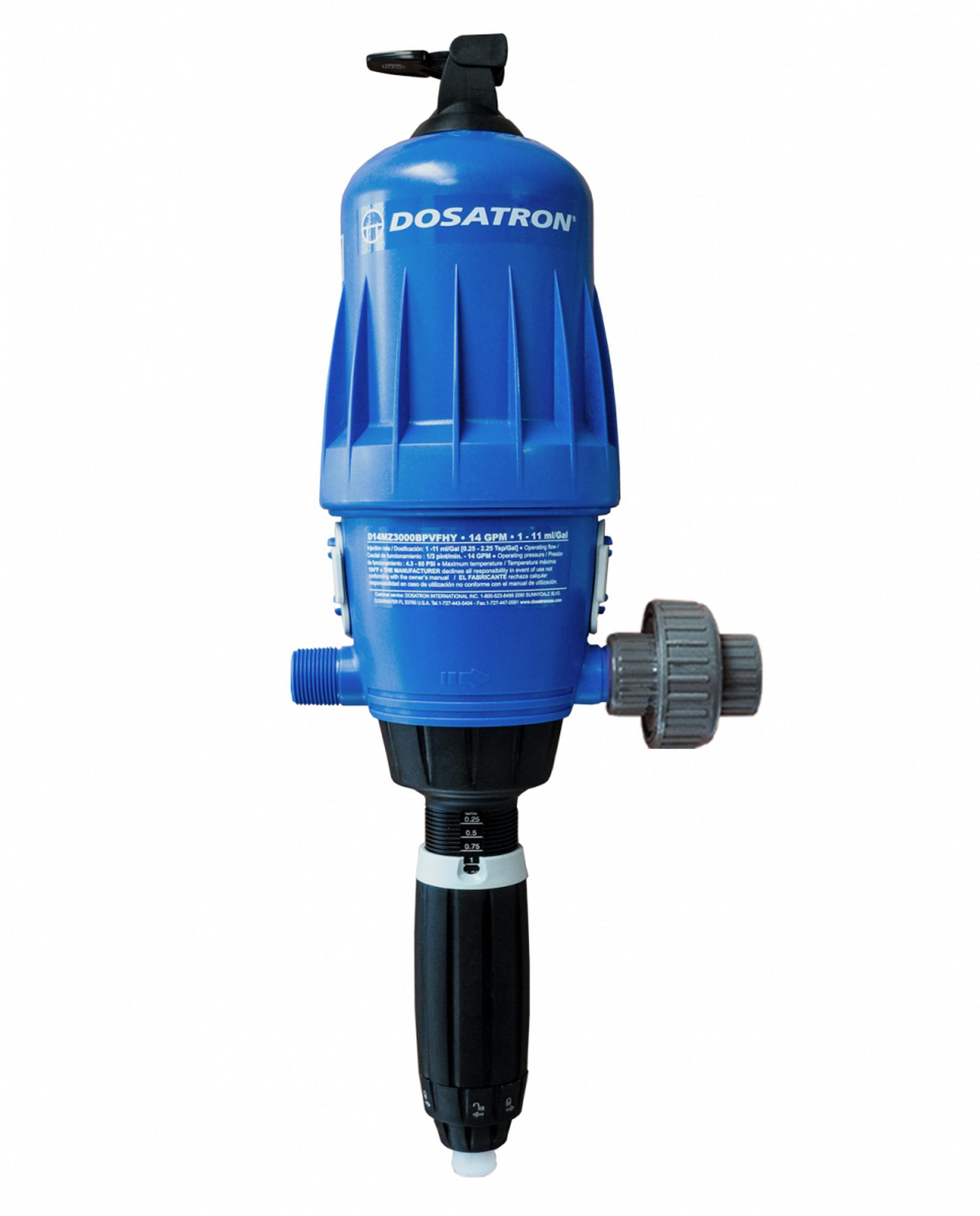
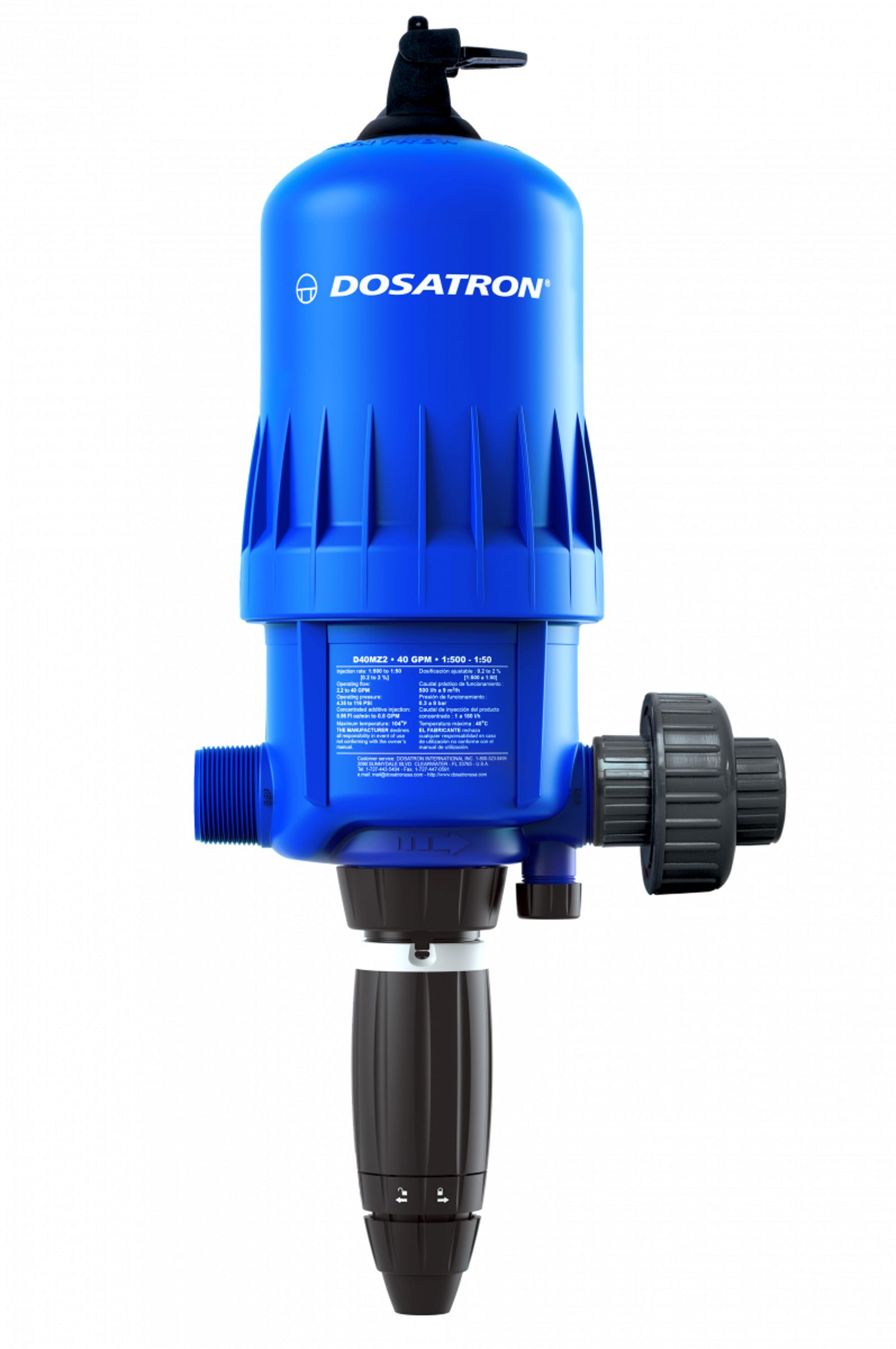
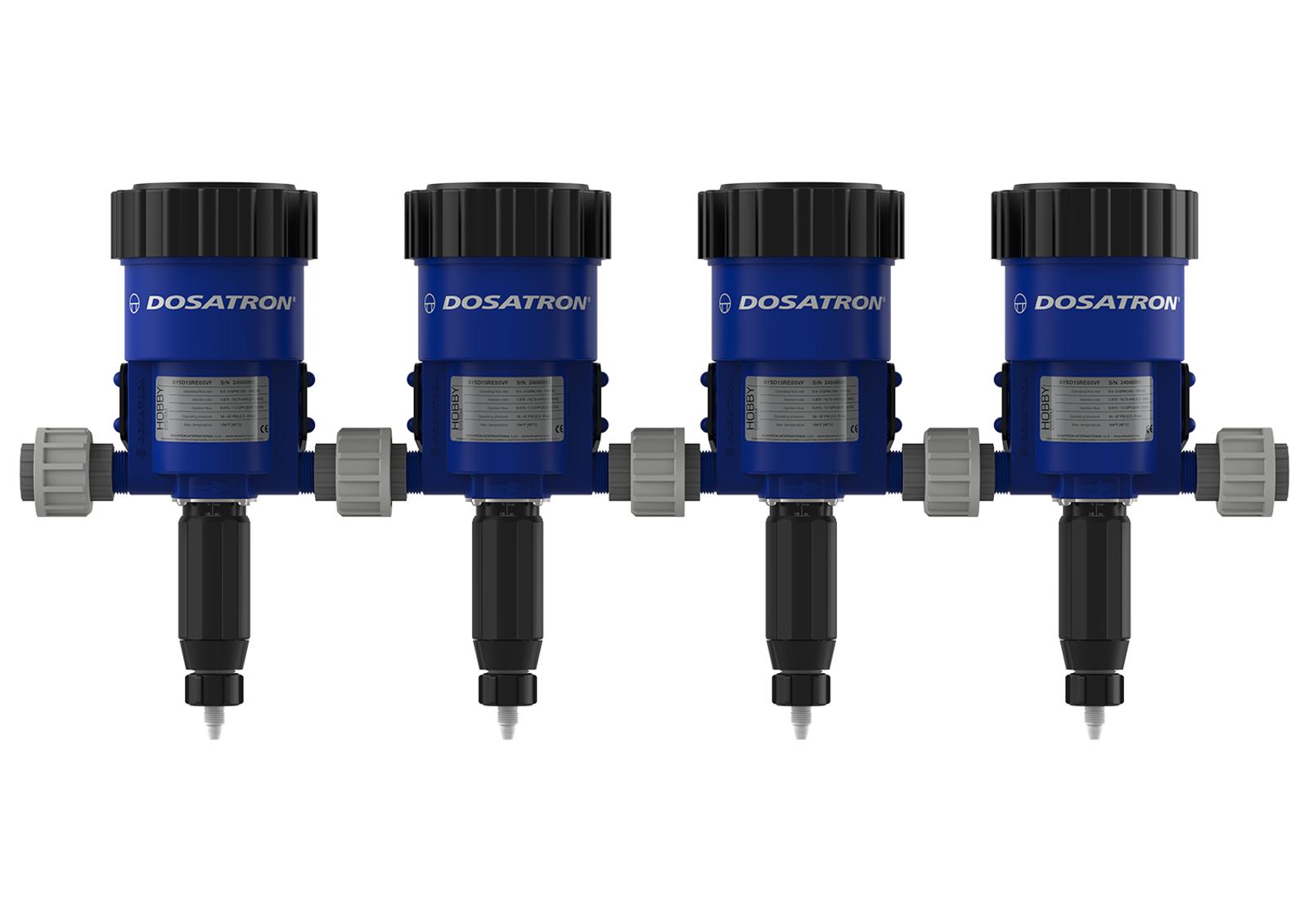
Dosatron pumps are great for drip irrigation and multi-tank systems. They do not need electricity. They run on water pressure to send out the right amount of nutrients.

This approach uses the exact amount of fertilizer needed. It cuts waste and helps crops like leafy greens, strawberries, or cannabis grow evenly. Dosatron is especially valued by growers who want precision without complexity.

They use water pressure, no electricity, which makes them easy and affordable to run. Dosatron injectors handle various solutions:

  • Fertilizers and nutrients
  • Natural additives like fish emulsion or compost teas
  • Plant growth regulators (PGRs)
  • Chlorine and sanitizers (special models)
  • Herbicides, insecticides, and fungicides
  • Wetting agents and acids

Fertigation for Cannabis Growing

In cannabis cultivation, even small nutrient deficiencies can affect quality, yield, and potency. A controlled system that delivers the right water and nutrients during each growth stage is critical. Cannabis growers often use drip systems with fertigation equipment to keep nutrients and pH balanced.

With tools like Dosatron or digital controllers, you can automate your applying fertilizers process and fine-tune ratios for each growth phase—veg, flower, flush. This ensures healthy root development and maximizes resin production. For growers using coco coir or hydro systems, this approach can also lead to reduced water use and better overall plant health.

👉  Learn more about cannabis fertigation system here

cannabis farm stock photo

FAQ

The principle behind fertigation is simple: it combines two essential plant needs—water and nutrients—into one efficient system. By injecting a nutrient solution directly into the irrigation water, plants receive both moisture and nutrition exactly when and where they need it. This method helps plants absorb nutrients better, reduces waste, and supports even growth. This is especially effective with drip systems or underground lines that deliver nutrients straight to roots.