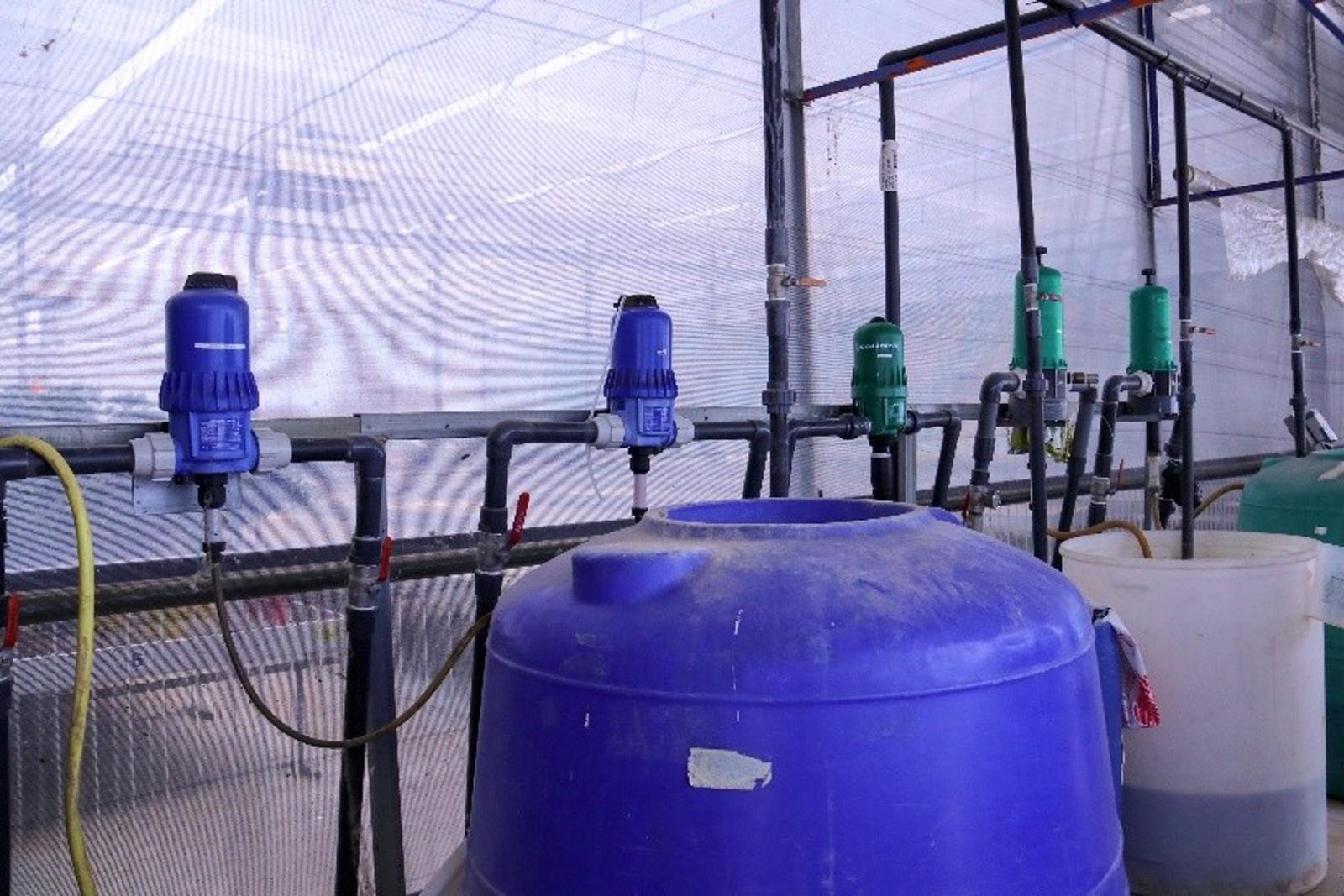
In many applications — livestock, hygiene, agriculture, water treatment and industry — the dosing pump is a critical component of the process.
When a copied or generic pump replaces an original piece of equipment, the risk goes far beyond a simple loss of performance: it can lead to major sanitary, economic and operational consequences. 

While a copy may appear “cheaper” at purchase, its real Cost in Use is very often significantly higher. 

The real cost of a copy: what happens inside your installation

The purchase price is visible. 

Lasting performance, however, only reveals itself in real operating conditions, at the core of your process. This is where generic and copied pumps show their limits. In the end, real savings come from lasting performance. 

Dosage drifts that compromise performance

  • Copied pumps typically show:
  • significant concentration variations,
  • progressive, undetected dosage drifts,
  • instability from one cycle to another,
  • incompatibility with certain injected products.

These deviations may seem minor, but in industrial reality, every percentage of error creates a domino effect: ineffective treatments, inconsistent quality and weakened sanitary safety. 

Sanitary and operational risks

Under‑dosing or over‑dosing can lead to: 

  • Sanitary and operational risks
  • Under‑dosing or over‑dosing can lead to:
  • Livestock farming: incomplete treatments, reduced performance, sanitary risks and economic losses,
  • Plant protection / fertigation (irrigation): reduced efficiency, irregular growth, overconsumption of products,
  • Hygiene and food processing: non‑compliant areas, risks for operators and end users,
  • Industry: unplanned downtime, rejected production, audit non‑compliance.

Hidden costs that keep adding up

Copied pumps generate unexpected and often underestimated expenses: 

  • repeated technical interventions,
  • premature replacements,
  • production variability,
  • product overconsumption,
  • additional testing, re‑checks and corrective audits,
  • loss of perceived quality,
  • installation downtime.

In the end, the “cheaper” pump becomes the most expensive one. 

Quality isn't optional, it's your best insurance. 

Why a Dosatron stabilizes the process and reduces costs

By contrast, a Dosatron pump is designed to deliver consistent dosing accuracy, under all operating conditions.

This is not a marketing promise — it is a technical commitment based on:

  • hydraulic motor design,
  • controlled mechanical tolerances,
  • carefully selected materials,
  • robust R&D protocols,
  • 100% individual testing before shipment,
  • full product traceability. 

Proven repeatability: the true Dosatron value

A Dosatron proportional dosing pump repeats the correct dosage over time, even in the presence of: 

  • pressure variations,
  • suction or depression,
  • intensive cycles,
  • continuous operation.

This stability is an invisible but decisive asset: it secures quality, avoids losses, reduces downtime and lowers operational stress — providing true peace of mind.

green dosatron close up