Products
Animal Health Line
Green Line
Industry Line
Food & Hygiene Line
Water Line
Expert
Generic
Systems
Applications & Solutions
Animal Health
Irrigation
Industry
Hygiene
Water Treatment
Case studies
Technology
Diaphragm dosing pump
Piston dosing pump
Services & Resources
Login
Maintenance
Find a distributor
Dosalliance
News & Events
News
Events
About
Expertise
Values
Careers
Purpose
Beware of Copies

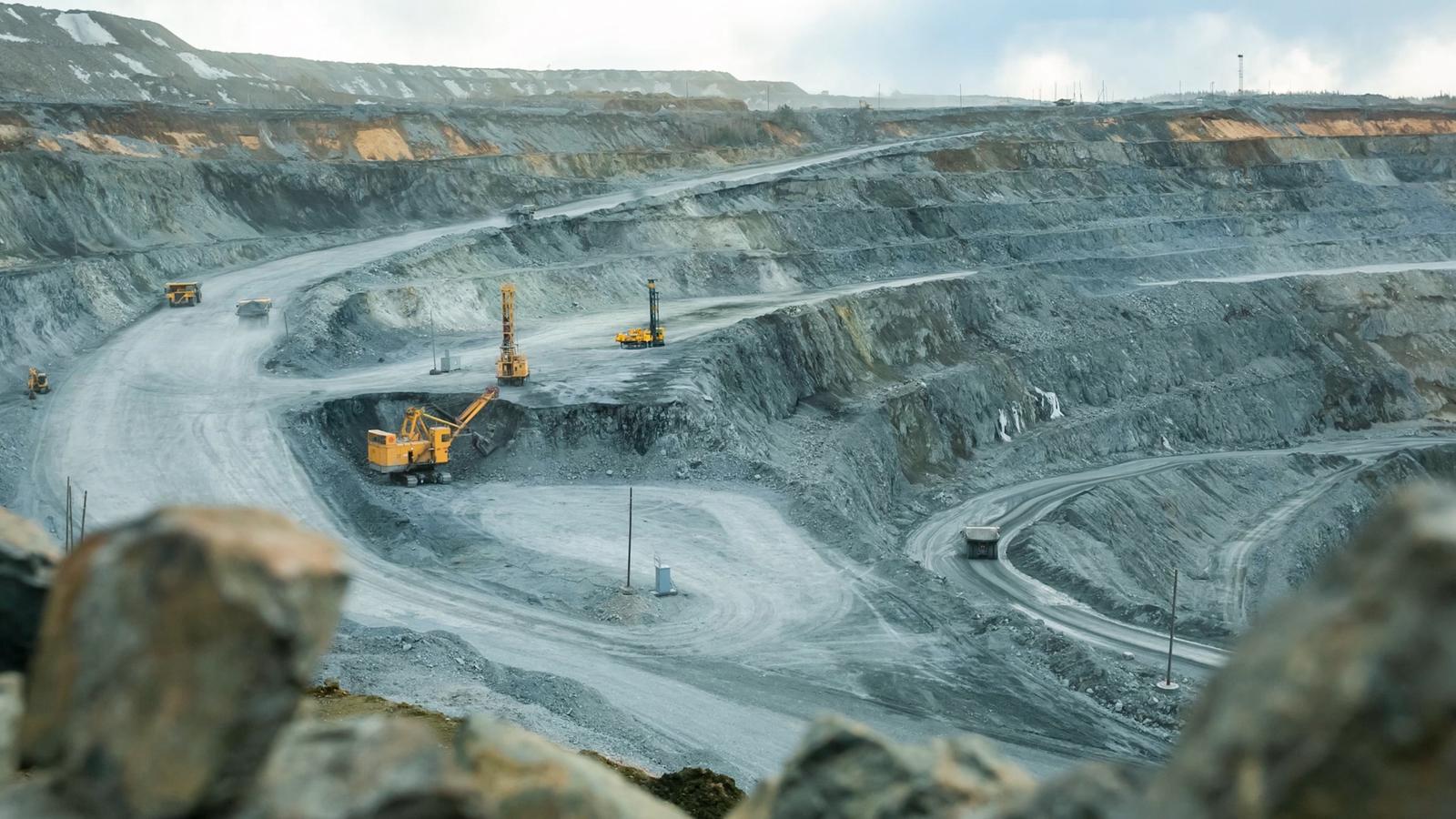
On a water-stressed mine site, each gallon used for dust control needs to do more work. Dosing a wetting agent or binder at a fixed ratio makes each water truck pass and spray cycle last longer. A Dosatron water-powered injector holds that ratio steady at the fill point or spray manifold, with no power supply needed. 

How common is water stress at mines?

The ICMM Global Mining and Metals Water Dataset (2026) found that 65.7% of the facilities it covers are exposed to a high level of at least one physical water risk. It also found that 38% sit in catchments with high or extremely high water stress, or in arid conditions. ICMM names the Western United States among its compound-risk clusters. These figures describe where facilities coincide with water risk. They do not measure how much water mines use (ICMM). 

Why is dust control harder where water is scarce?

Water-stressed sites face a squeeze. Dust suppression is one of the most visible water uses on site and competes with processing for the same supply. The dry, hot conditions that make water scarce also make dust worse. Four failure modes are specific to these sites. 

What site conditions matter most on a dry site?

Dry sites are not simply hot sites. They combine harsh water, temperature swings and occasional storms. The pillar page has the full site-conditions checklist; these are the conditions that dominate in arid districts. 

Recycled, bore and pit water. Fit pre-filtration ahead of the injector's 200 mesh (80 micron) inlet filter wherever the water carries sand or grit. On a new installation, check filter loading daily until the cleaning interval is known. Test the surfactant in the water the site will actually use, not in potable water. 

Salinity and hardness. Saline and hard water scale the injector and the nozzles. Descale the injector during scheduled service with Dosatron's 1:1 water and vinegar soak for 24 hours. Choose nozzle materials and free passage to suit the water. Check seal compatibility with the water and the additive together. 

Heat by day, frost by night. Exposed desert pipe runs heat up in the sun. Keep the injector and the water reaching it below 104 °F with a shaded mount and buried or insulated supply. Many arid and high-altitude districts also freeze overnight. The frost protection or drain-down routine applies there as well. 

Storms and runoff. Dry sites still get storm events, and storm runoff carries suppressant off roads and piles. Chlorides leach readily in rain (USDA Forest Service). Lignosulfonate is ruled out where runoff could reach fish-spawning waters (USDA NRCS). Check the drainage paths and the site permit before choosing a product.

FAQ

Many sites do. Filter it ahead of the injector, test suppressant performance in that water and check the permit for runoff. 

Recovering water before it reaches the dust circuit

Dry sites push dust suppression onto recycled process water. How much water a concentrator recovers, and how many solids it carries, depends on thickener separation. SEEPEX explains why separation stability, not a single good settling test, decides overflow quality and water recovery.