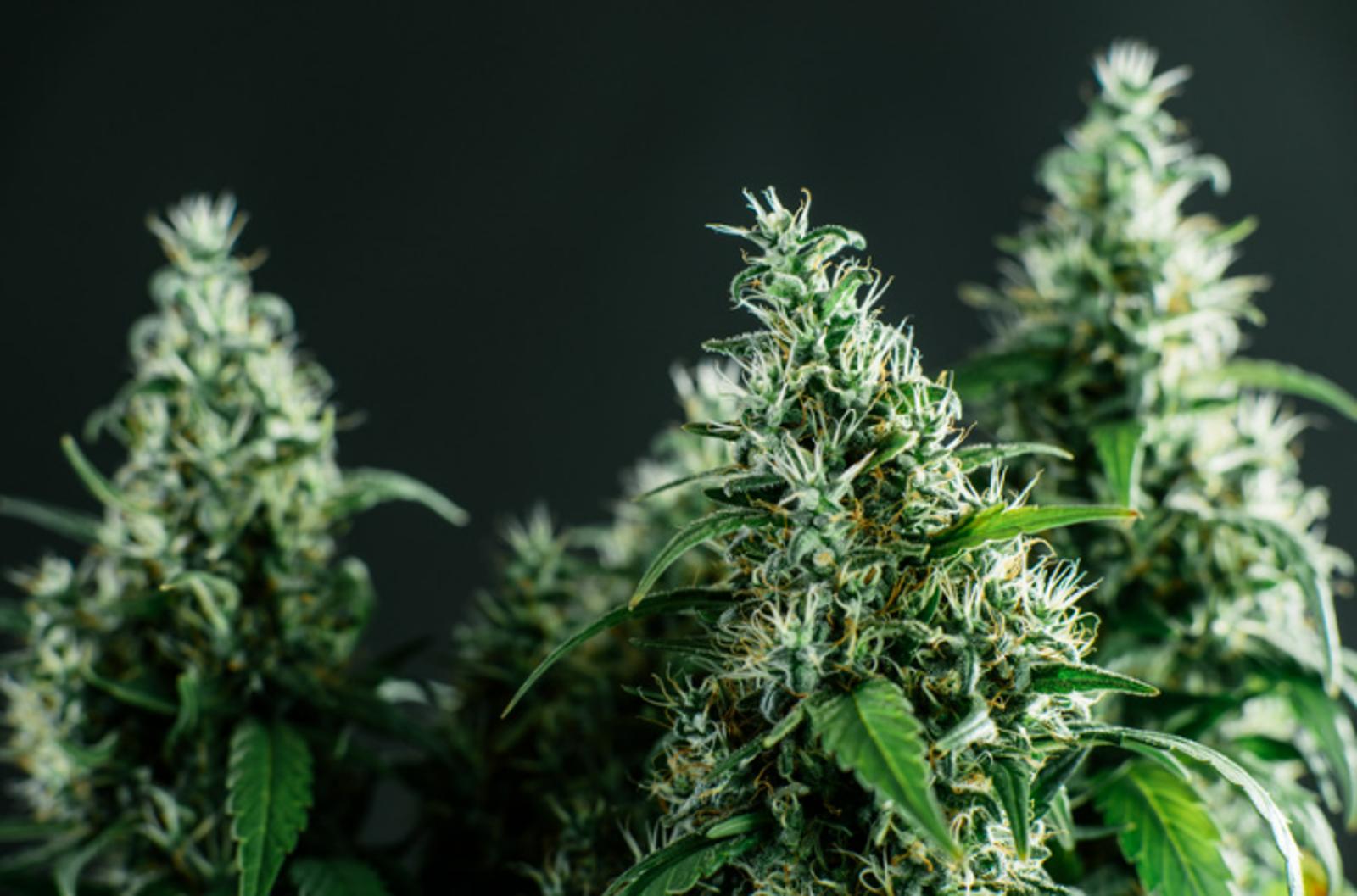
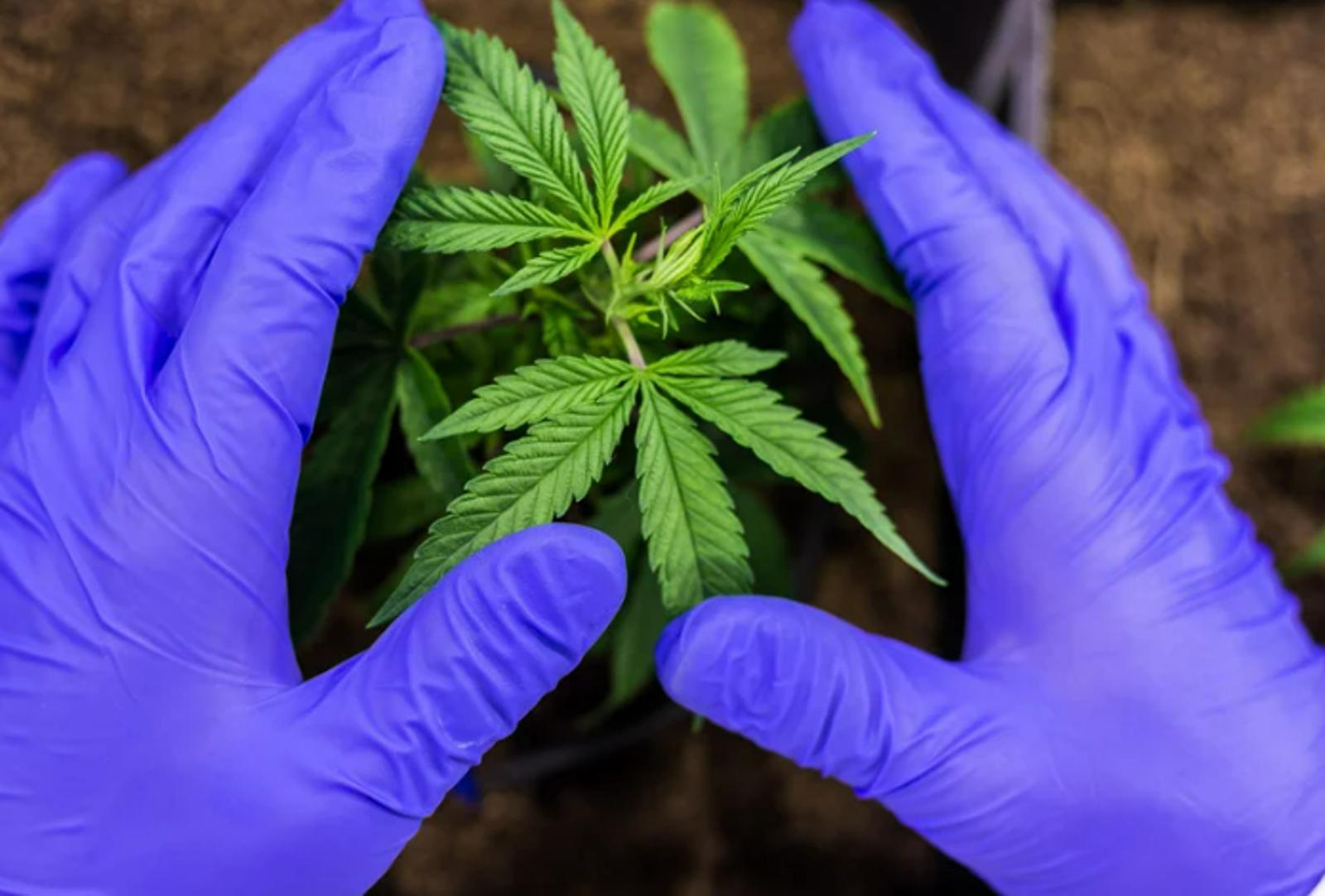
Selecting the right cannabis fertilizer is critical for successful cultivation. Consider factors like nutrient composition, organic or synthetic options, and the specific needs of marijuana plants.
Dosatron offers specialized cannabis fertilizer injectors designed to meet the unique requirements of growing cannabis plants at various stages of growth phases, ensuring optimal plant growth and maximizing yields.
When selecting a cannabis fertilizer, it's essential to consider the complete nutrient composition to provide optimal nutrition for your plants. Whether you are using inorganic or organic fertilizer, you need primary nutrients like nitrogen (N), phosphorus (P) and potassium (K), as well as micro nutrients like calcium (Ca), magnesium (Ma) and sulfur (S).
Nitrogen
Nitrogen is a key constituent of amino acids, which serve as the building blocks for proteins in the plant. Adequate protein synthesis is vital for robust and healthy cannabis growth, and insufficient nitrogen can result in weak and fragile plants. During the vegetative stage of a cannabis plant's life, nitrogen is a fundamental component of chlorophyll, enabling photosynthesis and thereby facilitating growth.
Another essential function of nitrogen is in the creation of nucleic acids, which are essential components of DNA and RNA. Without an adequate nitrogen supply, cells will be unable to undergo proper growth and multiplication. Nitrogen is also a vital part of adenosine triphosphate, or ATP, a molecule that stores the energy generated during photosynthesis in the form of glucose.
Phosphorous
Phosphorus plays a vital role in the production of abundant and healthy buds in marijuana plants. Its primary function is to facilitate nutrient availability for the plant, enabling it to absorb essential elements required for structural development throughout its growth.
Insufficient phosphorus can have detrimental effects on marijuana plants, leading to underdeveloped roots and a potential lack of flowering. One of the early indicators of phosphorus deficiency is the appearance of a purple hue in the veins of the leaves. Ensuring an adequate supply of phosphorus is crucial to support the plant's overall growth and successful flowering.
Potassium
Potassium helps maintain a healthy and thriving plant by regulating various systems. One of its primary functions is osmoregulation, which involves the passive control of water and salt concentrations within the plant. This is achieved through the management of stomata, the tiny pores present in leaves responsible for the exchange of carbon dioxide, water, and oxygen.
Potassium also triggers the production of ATP. This glucose serves as vital energy for the plant's growth and development. Insufficient potassium compromises the plant’s ability to regulate the exchange of carbon dioxide, water, and oxygen, leading to weak and energy-deprived plants that may exhibit burnt-like symptoms. Ensuring an adequate supply of potassium is essential to supporting healthy plant functioning and robust growth.