


Reach out to us
Drinking water circuit sanitation includes descaling, cleaning and disinfection. Sanitising the water system eliminates the biofilms that build up in the pipelines, but also in the filters and drinkers.
- Water flow
- Biocides
- Sensitive germs
- Resisting germs
- Nutriments
- Pre-existing biofilm
- Mycelium
- Bacteria
- Mucopolysacharide
- Lime scale + Water stagnation + T°C + Settling
- Biofilm spreading
Bio-films are deposits of heterogeneous bacterial community (several families and strains such as E.Coli, Pseudomonas, Campylobacter, Staphylococcus, etc..) solidly fitted on the surfaces thanks to real « anchors » named « pili » or « fimbriae ».
The bacterial cells sank in the thickness of the bio-film develop a survival strategy and are protected against external aggressions (disinfectants, chlorine). They are much more resistant to disinfectant than isolated bacteria. These bio-films cause recurrent diseases in livestock and pipe clogging.
The water supply source may be potable, but may become contaminated over time (water temperature and stagnation, low flow conditions, nutrients) and especially at the end of the circuit when the animals drink (retro-contamination through contact).
How to eliminate the biofilms in drinking systems ?
Low-dose biocides used in drinking water disinfection (such as chlorination) can only slow down biofilm development, but never prevent it. Hence the need for high-dose cleaning and disinfection (water system and drinkers sanitation) when cleaning the barn in the absence of animals (respecting the dose and contact time of the disinfectant).
The Advantages of Dosatron Technology
Dosatron proportional dosing pumps guarantee the correct dosage of sanitizers regardless of the variations in water pressure and flow rate.
The non-electric, self-priming Dosatron pumps, which also work with gravity pressure (header tanks), ensure a wide dosing range compatible with the various detergents / descaling agents / disinfectants available on the market.
They provide consistent and uniform dilution and make it easy to read and adjust the dosing percentage. They can be run empty (without additives) without any risk of damage. They are also quick and easy to maintain on-site.
Recommended Installation
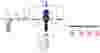
- Dosatron Animal Health dosing pump D25AL or DIA4AL (a high dosing percentage of up to 4% or 5% is recommended dor drinking system sanitation to be able to use some disinfectants).
- 80 micron filter.
- Water meter.
- Pressure reducer.
- 3 Bypass valves.
- 2 Valves or taps (1 before the Dosatron for tank filling / cleaning and 1 after Dosatron for fast priming / flushing / testing).
- Disinfectant drum (detergents and de-scaling chemicals can also be used prior to disinfection).
Tips for Installing, Using and Maintaining your Dosatron
- The design of water circuits is one of the first elements to slow down the development of biofilms (elimination of "dead-leg" piping, reservoirs and water stagnation zones).
- Install manual or solenoid valves at the end of the main water circuit to allow for sanitising and flushing (new drinker systems installed in series allow the entire circuit to be flushed and sanitised all the way to the drinkers).
- If installed on a drinking water main line, the installation shall comply with the applicable disconnection standards (back-flow prevention system such as Class B disconnectors).
- Install an 80 micron filter before the dosing pump and an accurate low flow water meter (Class D - R500) to monitor your water consumption.
- Install the Dosatron in bypass on the water supply with 2 valves / taps before and after the Dosatron,
- 1 valve / tap for clear water.
- 1 valve / tap for quick rinsing / priming / testing of the dosing pump.
- Always rinse injecting clear water before and after using a detergent / de-scaler / disinfectant.
Turn on the water supply and activate the drinkers to allow the disinfectant to remove contamination and biofilm from all surfaces that come into contact with the drinking water (disassemble and clean / disinfect drinkers by brushing and soaking)
- Remove the filters; clean and disinfect them by soaking.
- Observe the contact times recommended by the detergent / de-scaler / disinfectant manufacturer.
- Remember to test your water twice a year (winter / summer or dry season / rainy season) > Physico-chemical test (at the source) and bacteriological test (at the end of the water line).
- Remember to change the dosing pump dosing seals at least once a year.
Recommended Dosing Pumps for this application
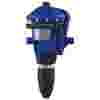
SmartDosing pump connected to the SmartLink treatment monitoring software
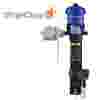
Piston Tech for large barns
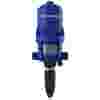
Piston Tech - Expert
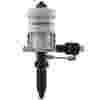
D25RE2 IE PVDF Expert Dosing Pump
Ensure the health of your animals with the expert D25RE2-IE-PVDF pump from Dosatron
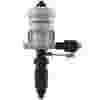
D25RE5 IE PVDF Expert Dosing Pump
Ensure the health of your animals with the expert D25RE5-IE-PVDF pump from Dosatron
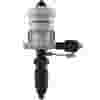
D25RE10 IE PVDF Expert Dosing Pump
Ensure the health of your animals with the expert D25RE10-IE-PVDF pump from Dosatron