
Industries
Hemp
Nutrient Delivery System
Water Treatment
Products
logo.png

Chlorination is the process of adding chlorine or chlorine compounds to water to kill bacteria and viruses that can make people sick. It is a key step in the water treatment process because it helps keep drinking water and treated water safe for everyday use, including bathing and cooking.


Chlorine works by breaking down the protective walls of germs. When this happens, the germs can no longer grow or spread, which helps disinfect water and protect public health. Because of this, chlorination has helped reduce dangerous waterborne diseases like cholera and typhoid in water systems around the world.


What Is Chlorine?


Chlorine is a chemical element with the symbol Cl and atomic number 17. It belongs to the halogen group (Group 17) of the periodic table and is one of the most reactive nonmetals. Here’s a breakdown of what chlorine is and its significance:


Basic Characteristics

  • Atomic Structure: Chlorine has 17 protons and 17 electrons. It is very reactive because it wants to gain one more electron to become stable.

  • Physical Appearance: Chlorine is a yellow-green gas at room temperature with a strong, bleach-like smell.

  • State: In nature, chlorine exists as a pair of atoms (Cl₂), not as single atoms.

  • Occurrence: Chlorine does not appear alone in nature because of how reactive it is. Instead, it is usually found in organic compounds or in salt, like sodium chloride (NaCl) in seawater and underground deposits.

Reactivity

Chlorine has a high electronegativity, meaning it reacts easily with many materials. This strong reaction ability makes it useful for disinfecting water and for many industrial processes.

When chlorine dissolves in water, it forms hypochlorous acid (HOCl) and hypochlorite ions (OCl-). These chemicals kill bacteria and viruses by damaging their cells so they cannot survive.

Applications

  1. Water Treatment: keeps drinking water, pools, and wastewater clean by killing germs.

  2. Industrial Use: helps make plastics like PVC, cleaners, and pesticides.

  3. Medical Field: used in medicines, antiseptics, and sterilizers.

Health and Environmental Impact

Chlorination has helped save millions of lives by reducing waterborne diseases. However, high concentrations of chlorine gas can irritate the lungs. If chlorine is not used correctly, it can also lead to the formation of byproducts like trihalomethanes (THMs) in water systems. Operators help prevent this by controlling chlorine levels throughout the treatment process.

Does chlorine have a smell?


Yes, chlorine has a strong, bleach-like smell. But the “chlorine smell” most people notice does not come from pure chlorine gas. Instead, it is usually caused by chloramines. These form when chlorine reacts with organic matter like sweat, body oils, or dirt in the water. This is why swimming pools or closed areas with treated water may have a stronger odor.


When chlorine levels are balanced correctly, the smell should be very light or not noticeable. A strong odor can be a warning sign that the water needs adjustment. It may mean there is not enough free chlorine to disinfect water properly and too much combined chlorine, which can cause irritation and bad smells.


How to Remove the Chlorine Smell?


If you notice a strong chlorine smell in drinking water, there are a few simple ways to reduce or remove it:

  1. Aeration: Let the water sit in an open container. Chlorine slowly escapes into the air on its own, so the smell fades over time.

  2. Boiling Water: Boiling makes chlorine evaporate faster. This works well for small amounts of water you plan to drink or cook with.

  3. Activated Carbon Filters: Home filters and filtered pitchers can remove chlorine and improve taste and smell. These are commonly used in houses with treated water.

  4. UV Treatment: Ultraviolet (UV) systems can help remove chlorine and keep the water safe to drink.

By keeping chlorine levels in the right range and using proper treatment methods, you can reduce or remove bad odors while still making sure the water can kill bacteria and stay safe for everyone.
Discover our Chlorine Dosage Calculator

The Dosatron smartphone app includes a chlorine dosage calculation feature. This tool assists users in accurately determining the appropriate chlorine dosing for their specific applications, ensuring effective water treatment and disinfection.

The app provides step-by-step guidance to help you perform all your chlorination calculations and share them with anyone you want.

Is Chlorinated Water Safe to Drink?

Yes, chlorinated water is safe to drink when the chlorine levels remain within the guidelines set by health authorities, such as the U.S. Environmental Protection Agency (EPA).

The EPA limits chlorine in drinking water to 4 milligrams per liter, ensuring it effectively disinfects while minimizing any risks. Studies from institutions like Harvard University confirm that chlorination has significantly reduced the spread of diseases like dysentery and typhoid.

While some people might notice a slight taste or odor, these are not harmful, and any remaining chlorine can be removed using activated carbon filters.


Types of Chlorination

Chlorination is not a one-size-fits-all process; different methods are used depending on the water's source and treatment goals:


Pre-Chlorination

Chlorine is added early in the treatment process to control biological growth, reduce algae, and improve taste and odor.


Post-Chlorination

Applied after filtration, this step ensures microbial safety before water is distributed.


Breakpoint Chlorination

A process that adds enough chlorine to satisfy chemical demands, achieving effective disinfection and eliminating ammonia.


Shock Chlorination

A high dose of chlorine used in emergencies to clean wells, tanks, or systems.


Super Chlorination

Involves using high doses of chlorine to eliminate severe contamination, followed by dechlorination to reduce chlorine to safe levels.


Chloramination

Combines chlorine and ammonia to create chloramines, a long-lasting disinfectant with fewer byproducts.


Dechlorination

Removes excess chlorine to prepare water for industrial, environmental, or specific domestic uses.


Each type has unique applications, ensuring effective water treatment tailored to specific conditions. 

Why Chlorination Matters for Safe Water Supply

Chlorination keeps water safe as it travels through pipes and storage tanks. After the water leaves a treatment plant, it can still come into contact with germs or environmental contamination. A small amount of chlorine stays in the water to continue disinfecting the water supply until it reaches homes, farms, and businesses.

 Chlorine helps kill bacteria like E. coli and many viruses that can make people sick. Without this protection, waterborne diseases can spread quickly through communities. Chlorination has been one of the most important tools in improving global health and making tap water safe to drink.

This method is also used in food processing, beverage production, and industries that rely on clean water for equipment and products. These facilities benefit from chlorine’s ability to reduce downtime, improve safety, and protect workers.

When chlorine is used properly, it keeps the water supply clean without using a lot of energy or complex system


What Does Free Chlorine Mean?

Free chlorine is the portion of chlorine available to disinfect water and kill microorganisms. It exists in three forms:


  • Hypochlorous Acid (HOCl): The most effective form, dominant in water with a pH of 6–7.

  • Hypochlorite Ion (OCl⁻): Less effective, found at higher pH levels (above 8).

  • Dissolved Chlorine Gas (Cl₂): Rare in water treatment due to pH adjustments.

Free chlorine is critical for disinfection, contrasting with combined chlorine, which forms when chlorine reacts with organic matter or ammonia.


Free vs. Total Chlorine

Free chlorine is the active disinfectant, while total chlorine measures both free and combined chlorine. Combined chlorine, or chloramines, is less effective and can cause irritation and odor. Maintaining proper free chlorine levels ensures effective water disinfection. If combined chlorine levels rise, shocking the water with a strong oxidizer can restore balance.


How Chlorine Helps Protect Public Health

Clean water prevents illness and keeps communities healthy. Chlorination has played a major role in stopping deadly disease outbreaks around the world. Even today, millions of people rely on chlorine every day because it continues to kill bacteria and prevent contamination.

Water treatment operators test chlorine levels often to make sure the water supply stays safe. By maintaining the right balance of free chlorine, treatment facilities can reduce harmful organisms, improve taste and smell, and meet water quality regulations.

Chlorination is especially important during emergencies such as floods or pipe breaks. Extra chlorine may be added for short periods to protect families and businesses. Once the danger passes, chlorine levels are adjusted back to normal.

With the right tools, such as accurate dosing pumps, operators can keep people safe while reducing the amount of chemicals wasted.


Discover our Low Flow Chlorinator

The D14WL chlorinator helps to keep your drinking water clean and safe by killing harmful bacteria and viruses. This is important for protecting your health and the health of your family.


The D14WL chlorinator helps to protect you from harmful bacteria and viruses by killing them in the water before they reach your faucet. This is especially important for people who have compromised immune systems, such as young children and the elderly.


The D14WL chlorinator can save you money on chemicals by using a more efficient dosing system. This means that you will need to use less chlorine to keep your water clean and safe.


The D14WL chlorinator contributes to environmental stewardship. By optimizing chlorine dosing through its efficient system, it minimizes the need for excessive chemical and energy usage.


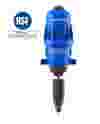
NSF Certified D14WL3000NAF Chlorinator

D14WL3000NAF

GPM: 0.05 to 14 GPM (0.19 to 50 LPM)
Chlorinator NSF/ANSI 61 & 372 Certified
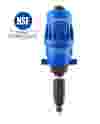
D14WL3000NIEAF NSF certified chlorinator

D14WL3000NIEAF

GPM: 0.05 to 14 GPM (0.19 to 50 LPM)
Chlorinator NSF/ANSI 61 & 372 Certified.
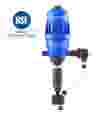
NSF certified D14WL2NAF chlorinator

D14WL2NAF

GPM: 0.05 to 14 GPM (0.19 to 50 LPM)
Chlorinator NSF/ANSI 61 & 372 Certified.