Industries
Hemp
Nutrient Delivery System
Water Treatment
Products
logo.png

When normal water supplies fail, you still need clean drinking water fast. Storms, broken water lines, boil notices, or remote work sites are all examples of emergency situations where access to safe water becomes critical.

In these moments, you must treat water quickly, reliably, and safely. That’s where
Dosatron’s water-powered chlorinators come in. These systems make water purification simple and consistent without the need for electricity, making them ideal for unpredictable conditions.

Why Emergency Water Purification Is Different

During emergencies, the amount of water you need can vary from hour to hour. Water pressure may rise and fall, and the water is cloudy one minute and clear the next. Power outages may prevent the use of electric equipment. In these cases, a system that runs without electricity, adjusts automatically to flow changes, and provides precise chlorination ensures safe drinking water for everyone.

Dosatron systems are powered by the water itself. As water flows through the unit, the pump automatically adjusts to maintain the correct chlorine level. This means every drop of water receives the right treatment, whether you are processing a few gallons of water or supplying an entire community.

Family Drinking water

How Chlorination Protects Your Water

Chlorine remains one of the most trusted disinfectants in the world. It helps remove viruses and bacteria that can cause illness. In an emergency, when large-scale systems are unavailable, a water-powered injector like Dosatron’s provides reliable dosing for clean drinking water.

However, chlorine alone does not remove dirt or heavy metals. If the water is cloudy, it should be filtered before chlorination. A portable water filter or pre-filter system can remove sediments, allowing chlorine to work more effectively. For long-term safety, pair filtration with chlorination to handle both contaminants and microbes.

Dosatron Systems for Emergency Water

D14WL Low Flow Chlorinator

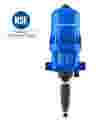
The  Dosatron D14WL is ideal for smaller systems. It handles 0.05–14 GPM (0.19–50 LPM) and operates solely on water pressure. With NSF/ANSI/CAN 61 and 372 certifications, it is approved for use in safe drinking water applications. It’s easy to install, requires minimal maintenance, and is perfect for clinics, temporary shelters, or rural locations.

D40WL High Flow Chlorine Injection System

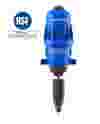
For larger operations or communities, the D40WL manages 2.2–40 GPM (8.32–151 LPM). It uses the same non-electric, proportional dosing design for consistent results. This model ensures accurate chlorination even during power failures and variable demand. Both systems give you confidence that your water remains safe and compliant when it matters most.


Setting Up Emergency Chlorination

Setting up a Dosatron chlorinator takes only a few steps. If the water is cloudy, start by filtering it. Next, install the chlorinator after a shut-off valve and before your storage or distribution line.

Connect the chlorine solution, set your desired dose, and turn on the water. The pump begins dosing immediately.


To confirm the dose, pour the water into a test vial and check the residual chlorine. For best results, allow at least 30 minutes of contact time before drinking. Always verify with a test strip or meter to ensure a safe residual. In emergencies, follow this same process for each batch of treated water.

Comparing Water Treatment Options

In an emergency, there are several ways to make water safe. Bottled water is convenient but costly and impractical for large groups or long term use. Boiling water is effective for killing microbes but requires fuel and time, and it doesn’t remove heavy metals. Some advisories suggest a “water boil for one minute,” which works for small batches but not for large volumes.


A portable water filter is useful for removing dirt and sediment, though it may not disinfect. Household chlorine bleach can disinfect in small amounts but is hard to measure correctly. In contrast, Dosatron’s automatic injectors dose chlorine precisely, reducing waste and ensuring safety even at changing flow rates.

Safety and Best Practices

For continued safety, store chlorine in shaded areas away from heat. Clearly label tanks and lines, and train operators to test and log chlorine levels regularly. If water is cloudy or contaminated with heavy metals, filter it first. 


When using mobile tanks, dose the water as it transfers, this helps mix and disinfect evenly. Dosatron systems are durable for long term use but still benefit from quick inspections to check seals, tubing, and valves.

Real-World Use: Emergency Water Purification in Action

During natural disasters or infrastructure failures, emergency water purification becomes more than a plan, it’s a lifeline. Many local governments, farms, and relief groups use Dosatron systems to secure safe drinking water without power or complex setup.

In one case, a rural community faced a week-long outage after a hurricane. Crews installed a D40WL chlorinator on a gravity-fed line to treat water drawn from a backup well. Within hours, the system delivered steady chlorination across thousands of gallons of water, protecting residents from contamination even as water supplies fluctuated.

In another example, a mobile aid team deployed D14WL Low Flow Chlorinators alongside portable water filters to serve a field hospital. Even when the water was cloudy, the combination of filtration and precise chlorine dosing produced clear, clean drinking water that met NSF standards. These units ran continuously for days, keeping patients and staff hydrated without relying on generators or fuel.

These real-world stories show how a reliable, non-electric chlorination system makes the difference between uncertain emergency water and truly safe drinking water. Whether supporting disaster relief, small villages, or temporary worksites, Dosatron pumps ensure everyone can pour the water confidently, knowing it’s clean, consistent, and ready to use.

Dosatron using in real world hurricane