Pollination of Female Plants:
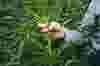
Hemp is a dioecious plant, having separate male and female plants. Female hemp plants are valued for their cannabinoid-rich flowers, while male plants produce pollen for fertilization. To prevent pollination, it is crucial to identify and separate male and female plants during the pre-flowering stage in hemp cultivation.
If male plants are allowed to remain near female plants, they will release pollen that can fertilize the female flowers, leading to seed production. This process diverts the plant's energy away from producing cannabinoid-rich flowers, significantly impacting the overall quality and value of the crop.
To ensure high-quality hemp flower production, hemp farmers often remove male plants before they release pollen or use feminized hemp seeds, which guarantee that only female plants will grow.
Hemp Flowers and Air Circulation:
The most valuable part of the hemp plant is the flower, where cannabinoids like CBD are concentrated. To achieve healthy and potent hemp flowers, proper air circulation is essential.
Ensuring good airflow within the growing environment serves multiple purposes. It helps prevent the buildup of moisture, which can lead to mold and mildew growth. Additionally, adequate air circulation strengthens the plants' stems, reducing the risk of lodging (plants falling over due to weak stems), and improves nutrient uptake.
With indoor hemp cultivation, growers often use fans and ventilation systems to maintain optimal air circulation. Outdoor hemp crops can benefit from strategic planting to maximize airflow between rows and within the canopy.
Growing Hemp Indoors, Outdoors, and in Greenhouses:
Hemp can be cultivated using various methods, each with its advantages and challenges. Indoor hemp cultivation provides growers with more control over environmental factors such as light, temperature, and humidity. By simulating ideal growing conditions, indoor cultivation allows for year-round hemp production and the ability to grow specific hemp varieties with strict environmental requirements.
Outdoor hemp cultivation, on the other hand, takes advantage of natural sunlight and may result in larger yields due to the plant's exposure to the full spectrum of sunlight. However, it is subject to weather fluctuations and seasonal limitations, as hemp is sensitive to frost and cold temperatures.
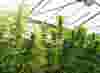
Greenhouse cultivation offers a compromise between indoor and outdoor methods. Greenhouses provide protection from extreme weather conditions while still allowing natural light to reach the plants. Temperature and humidity can be controlled to some extent, providing a more stable growing environment compared to outdoor cultivation.