

Sanitize Hydroponic System: Methods & Best Practices
Warm nutrient solution, constant moisture, and organic buildup create a perfect environment for biofilm, algae, and plant pathogens.
The key is using the correct sanitizing products at the right dilution, and applying them consistently with accurate dosing equipment—this is where Dosatron hydroponic solutions shine.
What Does It Mean to Sanitize a Hydroponic System?
Sanitizing is about reducing harmful microbes and buildup to safe levels, not making every surface completely sterile.
In a typical hydroponic system, contamination can come from:
- Organic residues from roots and fertilizers
- Warm, oxygen‑poor water that encourages bacterial growth
- Light leaks that trigger algae blooms
- Unfiltered or untreated source water
.png?format=pjpeg&width=100&quality=10)
What Do You Use to Sanitize a Hydroponic System?
Growers typically rely on chemical sanitizers and mechanical cleaning. The choice depends on your crop, system, and local regulations.
Common options include:
- Oxidizing sanitizers
- Stabilized hydrogen peroxide
- Peracetic acid blends
- Other oxygen‑based products designed for irrigation water
- Chlorine‑based sanitizers
- Often used at controlled levels for source water treatment
- Can help reduce microbial load before water reaches the reservoir
- Acid rinses
- Used periodically to remove mineral scale and stubborn deposits
- Often followed by a neutralizing rinse
- Mechanical cleaning
- Scrubbing tank walls and lids
- Flushing lines with clean water
- Cleaning or replacing filters and emitters
Accuracy matters—overdosing damages roots while underdosing leaves risk. Proportional dosing pumps ensure exact dilution every time.
When and How Often Should You Sanitize a Hydroponic System?
Most growers sanitize in three layers:
1. Ongoing Light Sanitation (Daily / Weekly)
- Top off reservoirs with clean, filtered water
- Wipe down splash zones, lids, and floors around tanks
- Use low‑dose, crop‑safe sanitizers in the irrigation line (where label‑approved)
- Check and clean strainers and filters regularly
2. Between Crops, Strains, or Production Cycles
- Completely drain reservoirs and irrigation lines
- Mechanically clean visible surfaces
- Run a stronger sanitizing solution through the entire system (without plants)
- Rinse thoroughly with clean water before refilling
3. Seasonal or Major Deep Clean
- Disassemble and open lines where possible
- Replace worn hoses, gaskets, or fittings
- Inspect and deep‑clean filters, manifolds, and mixing chambers
- Consider a full sanitation protocol from source water all the way to the emitters
Step‑by‑Step: How to Sanitize a Hydroponic System
Always follow the manufacturer's label, wear PPE, and never mix chemicals.
Step 1: Remove Plants for a Full Deep Clean
Step 2: Drain the System
- Turn off pumps and dosing equipment
- Drain reservoirs completely
- Open drain points and low spots so lines can empty
- Flush with clean water to push out any remaining nutrient solution
Step 3: Mechanical Cleaning
- Scrub tank walls, lids, and any accessible plumbing
- Remove sediment and organic debris from the bottom of reservoirs
- Clean or replace filters, strainers, and removable emitters
- Rinse everything thoroughly
Step 4: Run a Sanitizing Solution Through the System
- Set the injector to the target ratio recommended on the product label
- Allow the sanitizing solution to fill the entire irrigation network
- Circulate the solution so it reaches tanks, manifolds, drip lines, and emitters
- Ensure all zones and branches see flow during treatment
Step 5: Allow Contact Time
- Let the solution sit in the system for the recommended duration
- Avoid draining or diluting during that period
- Ensure pumps and valves are configured to keep solution in all parts of the system
Step 6: Flush and Rinse
- Drain the sanitizing solution completely
- Rinse with clean water, flushing through all lines and emitters
- Repeat until any odor, foam, or visible residue is gone
Step 7: Refill and Restart with Fresh Nutrient Solution
- Refill with clean, filtered water
- Adjust pH and EC to your target range
- Restart nutrient injection and irrigation
- Monitor the first few cycles to confirm everything flows evenly
Choosing the Right Dosing Equipment for Hydroponic Sanitation
Hydroponic Dosing Pumps
- Proportional, on‑the‑fly dosing based on water flow
- An easy‑to‑adjust scale for setting the injection rate
- Water‑powered operation—no electricity required
- An integrated bypass that lets you switch dosing on and off without replumbing
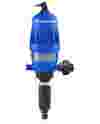
D14MZ1000-HY: Low-Flow Hydroponic Dosing Pump
Low Flow Hydroponic Dosing Pump
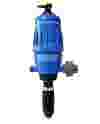
D14MZ3000-HY: Discover The Best Pump for Mixing Nutrients
The Best Pump for Mixing Nutrients
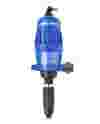
D14MZ2-HY: Low Flow Fertilizer Dosing Pump
Best Fertilizer Injector for Drip Irrigation
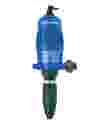
D14MZ10-HY: Low Flow Hydroponic Dosing Pump
Low Flow Hydroponic Dosing Pump
Sanitize Hydroponic System FAQ
- Light sanitation: Daily or weekly—wiping surfaces, checking filters, using low‑dose sanitizers where appropriate.
- Full sanitation: Between each crop or strain change—drain, scrub, sanitize, and rinse.
- Major deep clean: Seasonally, or after serious issues such as heavy biofilm or a disease outbreak.
Ready to Sanitize Your Hydroponic System?
Have questions about how to sanitize your hydroponic system or which Dosatron products are the best fit?
Reach out to Dosatron for personalized support on:
- Choosing the right hydroponic dosing pump (like the D14MZ2‑HY)
- Configuring a Nutrient Delivery System panel
- Integrating nutrient delivery and sanitizing chemistries safely
- Building a repeatable sanitation protocol that fits your workflow
Contact Dosatron today to discuss your system, your goals, and the best way to keep your hydroponic operation clean, consistent, and growing strong.
Reach out to us