Industries
Hemp
Nutrient Delivery System
Water Treatment
Products
logo.png

When an emergency happens, clean water can become hard to find. Storms, power outages, and broken pipes can make your water supply unsafe. An emergency water purifier helps turn unsafe water into safe drinking water, even when normal systems are not working.


Having a simple plan and the right tools helps protect your home, business, or community. It keeps you ready for any situation.

Why You Need an Emergency Water Purifier

During a crisis, your water source can become contaminated with viruses, bacteria, parasites, chemicals, and dirt. Drinking this water can cause illness, especially if you do not have bottled water available.


An emergency water system gives you a reliable way to create clean water when you need it most. It also helps reduce your dependence on bottled water and makes your home more prepared for long term emergencies, not just short events.

How Emergency Water Purifiers Work

Emergency water purifiers use different steps to improve water quality and make water safe to drink. Most systems use a combination of:

1. Pre-Filtration

A pre filter removes sand, rust, and large debris. This step also protects your other filters and makes them last longer.

2. Main Filtration

Different water filters target specific issues.This may include:

  • Activated carbon to improve taste and reduce chlorine

  • Sediment filters to remove fine particles

  • Reverse osmosis to remove dissolved solids and heavy metals

  • Filters remove small contaminants to make water safer. Some homes keep a filtering bottle or portable water filter in their emergency kits for quick use.

3. Disinfection

To kill harmful organisms, you need a disinfection step. This can include:

  • Chlorine

  • UV light

  • Other systems that remove viruses

Together, these steps turn unsafe water into safe drinking water.

Types of Emergency Water Filtration Systems

Different emergencies require different solutions. Here are common options used at home and in small facilities:

Portable Water Filters

Lightweight and easy to pack, they are useful for quick purification or survival water needs.

House Water Filtration System

A whole-house system cleans all the water entering your home. These systems help remove sediment, chemicals, and unwanted tastes before the water reaches your taps.

House Water Filter Systems for Clean Drinking Water

These systems are installed on your main line and improve everyday water safety. They can include sediment filters, carbon filters, and replacement filters over time.

Reverse Osmosis Systems

A robust solution for obtaining high-quality drinking water is reverse osmosis. This process involves pushing water through a fine membrane that effectively eliminates most dissolved contaminants, including heavy metals.

Chlorination Systems

Chlorinators disinfect large amounts of water quickly. They are useful for homes, farms, clinics, and rural areas where electricity may not be available.

Why Accurate Chemical Dosing Matters During Emergencies

The safety of clean water relies on the precise addition of disinfectants. An excessive amount can render the water unsafe, while an insufficient quantity may allow harmful organisms to persist.


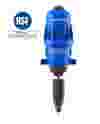
Dosatron water-powered dosing pumps help solve this problem. They use water pressure instead of electricity, which makes them ideal during emergencies and power outages. As water flows through the pump, it automatically adjusts the dose to keep the treatment consistent.

This gives you a simple, dependable way to make water safe.

How to Prepare an Emergency Water Purification Setup

Setting up your system before an emergency helps prevent problems later. Here are the basics:

  1. Identify your water source (city water, well, or stored water).

  2. Install a pre filter to capture debris.

  3. Add the main house water filters that handle chemicals, taste, and particles.

  4. Use a reverse osmosis stage for higher-quality drinking water.

  5. Add a chlorination system to help remove viruses and bacteria.

  6. Test your water regularly to make sure your system is working correctly.

  7. Keep extra replacement filters on hand.

With the right setup, you can maintain steady access to clean water even during long outages.