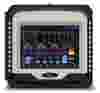
What is a Fertigation Controller?
A fertigation controller is a device that essentially combines irrigation and fertilization into one process. Imagine a gadget that takes care of both watering and feeding your plants at the same time, ensuring they get exactly what they need to thrive.
That's the magic of a fertigation controller!
What are the Fertigation Controller Benefits?
Fertigation controllers offer a range of benefits for growers compared to traditional fertilization methods.
- No More Waste: Fertigation controllers deliver nutrients directly to the roots, so plants get exactly what they need. They ensure nutrient efficiency. Less fertilizer wasted and fewer leftovers end up in the soil or water.
- Improved Yields: With a consistent and targeted supply of nutrients, fertigation controllers can significantly boost crop yields.
- Reduced Labor Costs: Automating the fertilization process through fertigation controllers saves growers significant time and labor.
- Optimized Resource Use: Fertigation controllers allow for precise control over water and fertilizer application.
- Improved Crop Quality: By providing optimal nutrient delivery, fertigation controllers can contribute to better crop quality.
- Help the environment: By reducing waste and using water (water conservation) with more efficiency.
Types of Fertigation Controller
Basic Controllers
- Simple Timers: These are the most basic type, functioning like on/off switches for irrigation valves based on pre-programmed schedules.
- Limited Automation: Some basic models might offer features like setting watering duration and frequency.
Mid-Level Controllers
- Sensor Integration: These controllers incorporate sensors to gather data on soil moisture or even basic nutrient levels.
- Data-driven Adjustments: Automatically adjust watering and feeding based on your plants’ needs, keeping them happy and healthy.
Advanced Controllers
- Precise Monitoring: These sophisticated systems monitor factors like EC and pH of the irrigation solution, offering real-time feedback on nutrient availability.
- Automated Dosing: They can precisely control the injection of fertilizers based on the monitored parameters, ensuring optimal nutrient delivery.
- Integration Potential: Advanced controllers might integrate with climate control systems, creating a fully automated environment for explosive growth.