Here’s how to keep your cannabis plants healthy and free from calcium deficiency:
- Maintain Optimal pH: Regularly test and adjust the pH of your growing medium to ensure calcium availability.
- Use a Balanced Nutrient Solution: Choose high-quality nutrients that include calcium and magnesium, like Cal Mag products.
- Add Calcium-Rich Amendments: Soil growers can use gypsum or dolomitic lime, while hydroponic growers can add calcium nitrate to their solution.
- Avoid Overwatering: Keep your growing medium well-aerated to promote healthy root function.
- Supplement RO Water: Always add calcium back into RO water to prevent deficiencies.
- Improve Growing Conditions: Control humidity, maintain proper airflow, and monitor root health regularly to reduce stress and encourage nutrient uptake.
- Test Tap Water: If using tap water, test its calcium content and treat it if necessary.
Differentiating Calcium Deficiency from Other Issues
Calcium deficiency symptoms can resemble other nutrient problems, so accurate diagnosis is essential:
- Cal Mag Deficiencies: Magnesium issues often start with yellowing between veins on older leaves, while calcium deficiency affects newer growth first.
- Nutrient Burn: Over-fertilization causes leaf edges to crisp, which isn’t typical of calcium deficiency.
- Other Deficiencies in Cannabis: Potassium or phosphorus deficiencies can cause brown spots, but they typically appear on older leaves before spreading.
Why Calcium Matters for Cannabis Growth?
Calcium is critical for healthy cannabis plants because it:
- Strengthens cell walls, helping plants stand upright and support heavy flowers during the flowering stage.
- Improves nutrient transport, preventing nutrient deficiencies and imbalances.
- Boosts disease resistance, making plants more resilient against pests and pathogens.
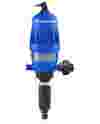
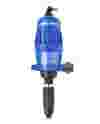
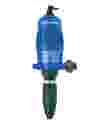
By acting early and using tools like the Dosatron metering pump, you can prevent issues like leaf curling, brown spots, and stunted growth, ensuring a thriving cannabis crop with higher yields.