
What is a Metering Pump?
A metering pump is used to add small but accurate volumes (doses) of a liquid or powder concentrate to other fluid streams such as water drinking tanks or vessels. Metering pumps are also called dosing pumps and proportioning pumps. A metering pump must be able to deliver liquid with an accuracy of greater than 3% across a wide range of discharge pressures.
What is a Diaphragm Metering Pump?
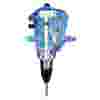
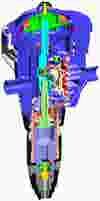
A diaphragm metering pump is a positive displacement pump designed to operate as a proportional dosing pump. It uses a flexible diaphragm in place of a piston to change the volume of the pump’s chamber to increase and decrease pressure on the fluid inside.
How does a Diaphragm Metering Pump Work?
A diaphragm metering pump works just like a piston pump. The water drives the diaphragm up and down. The plunger is fixed to the diaphragm, which pumps the product into the main water flow. At the output, the volume of a dosed product is proportional to the driving water volume.
Where and Why are Diaphragm Metering Pump Used?
Metering pumps are required in many industries, including water treatment, chemical processing, and animal health applications. The concentrate can be anything from fertilizers, water treatment additives, and medicines.The main application for a diaphragm metering pump is the treatment of drinking water in the avian sector. It is also used for accurate dosing of, for example, fertilizer and medicine in small farming businesses.A diaphragm moves up and down without friction and without internal leakage. This allows the pump to start at a very low flow and pressure, even if using a tap, borehole or surface water.